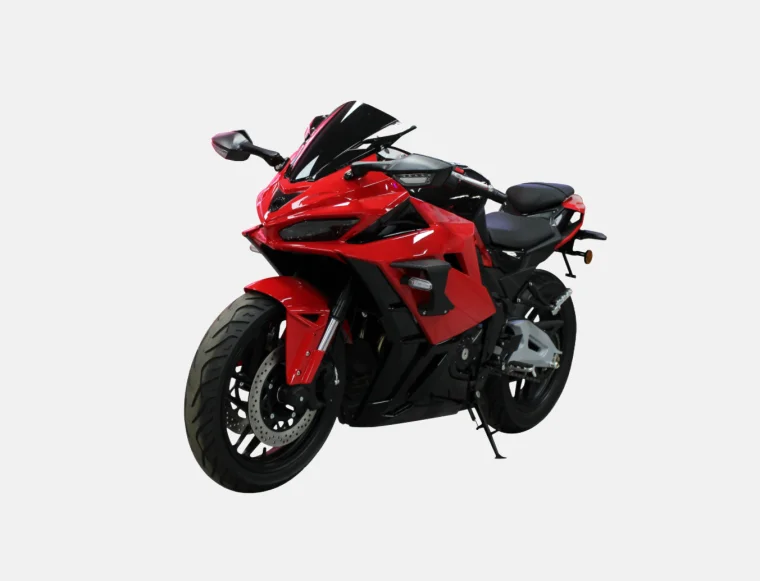
Racing Motorcycle Engines: Understanding Power, Torque, and Performance
When it comes to high-speed racing motorcycles, the engine is undeniably the heart of the machine. Racing motorcycle engines are marvels of engineering, designed to deliver extreme power, precise torque, and unmatched performance. Understanding the intricacies of these engines is essential for riders, engineers, and enthusiasts who want to appreciate how motorcycles achieve breathtaking acceleration, speed, and handling on the track.
This article dives deep into the mechanics, technologies, and principles behind racing motorcycle engines, exploring power, torque, performance optimization, engine types, and the engineering choices that make these motorcycles capable of extraordinary feats.
1. The Role of the Engine in Racing Motorcycles
The engine in a racing motorcycle is more than just a source of motion—it defines acceleration, top speed, handling characteristics, and overall track performance. A racing motorcycle engine must meet several critical criteria:
-
High power-to-weight ratio: Maximum output with minimal engine weight.
-
Efficient torque delivery: Smooth and predictable power across the RPM range.
-
Reliability under extreme conditions: Enduring high RPMs and temperature fluctuations.
-
Responsiveness: Immediate throttle reaction for cornering, overtaking, and rapid acceleration.
Unlike street motorcycles, racing engines are optimized for short bursts of extreme performance rather than long-term fuel efficiency or low-end comfort.
2. Understanding Power and Torque
To fully grasp racing motorcycle performance, it is important to understand the fundamental concepts of power and torque:
2.1 Engine Power
Engine power refers to the rate at which the engine does work and is usually measured in horsepower (HP) or kilowatts (kW). In racing motorcycles, power determines:
-
Maximum speed potential
-
Acceleration from standstill or exiting corners
-
Capability to maintain speed on straight sections of the track
Modern racing motorcycles often produce 150–250 HP for 600cc to 1000cc class bikes, with some superbikes exceeding 300 HP.
2.2 Engine Torque
Torque measures the rotational force the engine produces, usually expressed in Newton-meters (Nm) or pound-feet (lb-ft). Torque is critical because:
-
It defines the bike’s ability to accelerate
-
It affects traction and wheel grip, especially during corner exits
-
It influences throttle response and overall engine flexibility
A high-torque engine delivers strong acceleration even at mid-range RPMs, while a high-power engine excels at top-speed performance.
2.3 Power vs Torque Relationship
In racing motorcycles, power and torque are interrelated through RPM. Torque produces force, while power is a function of torque multiplied by engine speed (RPM). Engineers optimize the torque curve and power band for racing conditions, ensuring:
-
Peak torque is available in the critical RPM range for corner exits
-
Maximum power aligns with high-speed straight-line performance
-
Smooth transitions to avoid wheel spin and loss of traction
3. Engine Types in Racing Motorcycles
Different racing motorcycles use various engine configurations, each offering unique advantages and characteristics:
3.1 Inline-Four Engines
-
Common in: Supersport and superbikes
-
Advantages: High-revving, smooth power delivery, excellent top-end performance
-
Characteristics: Peak power often achieved above 12,000 RPM
3.2 V-Twin Engines
-
Common in: MotoGP prototypes, Ducati superbikes
-
Advantages: Strong mid-range torque, narrow frame for better handling
-
Characteristics: High corner exit acceleration, slightly lower peak RPM than inline-fours
3.3 Inline-Twin Engines
-
Common in: Lightweight racing classes
-
Advantages: Compact design, responsive throttle, excellent for agility-focused bikes
-
Characteristics: Balanced power and torque for cornering efficiency
3.4 V4 Engines
-
Common in: MotoGP and high-end superbikes
-
Advantages: Combination of torque from V-twin and top-end power of inline-four
-
Characteristics: High versatility, balanced performance across RPM range
Engine type selection impacts power delivery, weight distribution, and handling, all of which are crucial for racing performance.
4. Key Engine Components and Technologies
Racing motorcycle engines employ advanced materials and precision engineering to maximize performance. Key components include:
4.1 Pistons and Cylinders
-
Lightweight forged pistons reduce reciprocating mass, allowing higher RPMs
-
High-strength cylinder materials improve heat resistance and durability
-
Optimized bore and stroke ratios balance torque and power characteristics
4.2 Crankshaft and Transmission
-
High-precision crankshafts provide smooth rotational force
-
Close-ratio racing gearboxes maintain engine RPM in the ideal power band
-
Quick-shifters allow clutchless gear changes, improving acceleration
4.3 Camshaft and Valvetrain
-
High-lift cam profiles increase airflow for more power
-
Variable valve timing (on some prototypes) optimizes power across RPM ranges
-
Lightweight valvetrain components reduce inertia for higher rev limits
4.4 Fuel Injection and Engine Management
-
Electronic fuel injection (EFI) ensures precise fuel delivery
-
Advanced ECU mapping optimizes ignition timing, throttle response, and power output
-
Traction control and launch control integrated with engine electronics for safe high-speed control
5. Maximizing Racing Motorcycle Engine Performance
Racing motorcycles are not just about raw engine specifications. Performance optimization involves:
5.1 Power Band Tuning
Racing engines are tuned to deliver peak torque and power where it matters most on the track. Engineers analyze each circuit’s characteristics to adjust:
-
Throttle response
-
Cam timing
-
Gear ratios
5.2 Weight Reduction
Reducing engine weight lowers the bike’s center of gravity and improves agility. Common strategies include:
-
Using lightweight alloys for engine casing
-
Titanium valves and fasteners
-
Hollow crankshafts
5.3 Cooling and Heat Management
High-performance engines generate immense heat. Cooling strategies include:
-
Liquid-cooling systems with high-flow radiators
-
Oil coolers for lubrication stability
-
Advanced airflow designs in fairings
5.4 Exhaust and Intake Optimization
Exhaust systems are tuned to maximize scavenging and improve torque delivery. Intake systems are designed to:
-
Reduce airflow restrictions
-
Improve volumetric efficiency
-
Complement ECU mapping for precise fuel-air mixture
6. Engine Reliability in High-Stress Racing Conditions
A powerful racing motorcycle engine is only effective if it can withstand extreme conditions:
-
High RPM operation often exceeds 15,000 RPM in MotoGP engines
-
High thermal loads require advanced materials and heat-resistant coatings
-
Repeated track cycles necessitate precise assembly and maintenance
Engine reliability is critical for consistent lap times and rider confidence. Professional racing teams invest heavily in dyno testing, vibration analysis, and telemetry to monitor engine health in real-time.
7. The Future of Racing Motorcycle Engines
Racing motorcycle engine technology continues to evolve, with trends such as:
7.1 Hybrid and Electric Powertrains
Electric and hybrid racing motorcycles are emerging, offering instant torque and fewer mechanical losses while challenging traditional combustion engine designs.
7.2 Advanced Materials
Carbon fiber, titanium, and ceramic components reduce weight and improve heat management.
7.3 Intelligent Engine Control
AI-assisted engine management systems provide adaptive power delivery and real-time performance optimization.
7.4 Sustainable Racing Fuels
Next-generation fuels aim to reduce environmental impact without sacrificing performance.
These innovations will redefine what racing motorcycles are capable of, merging raw power with efficiency, reliability, and control.
Conclusion
Understanding a racing motorcycle engine is about more than horsepower numbers—it’s about how power, torque, and performance integrate to create a machine capable of dominating the track. From engine configuration and internal components to electronics and materials, every aspect of a racing engine is carefully engineered to optimize acceleration, handling, and high-speed stability.
Modern racing motorcycles are a perfect blend of science, technology, and craftsmanship. By appreciating the details of engine design, enthusiasts and racers alike can better understand the remarkable feats these machines achieve on circuits worldwide. Whether it’s the instantaneous torque out of a tight corner or the top-speed acceleration on a straightaway, the racing motorcycle engine remains the defining heart of high-performance motorcycling.
Jilang Motorcycle, as a professional racing motorcycle exporter, specializes in designing and producing high-performance engines that maximize power, torque, and overall track performance. Building on advanced engineering principles, Jilang integrates lightweight materials, precision-machined components, and state-of-the-art engine management systems to ensure every motorcycle delivers exceptional acceleration, stability, and responsiveness.
www.jilangmotor.com
jilangmotor
About Author
