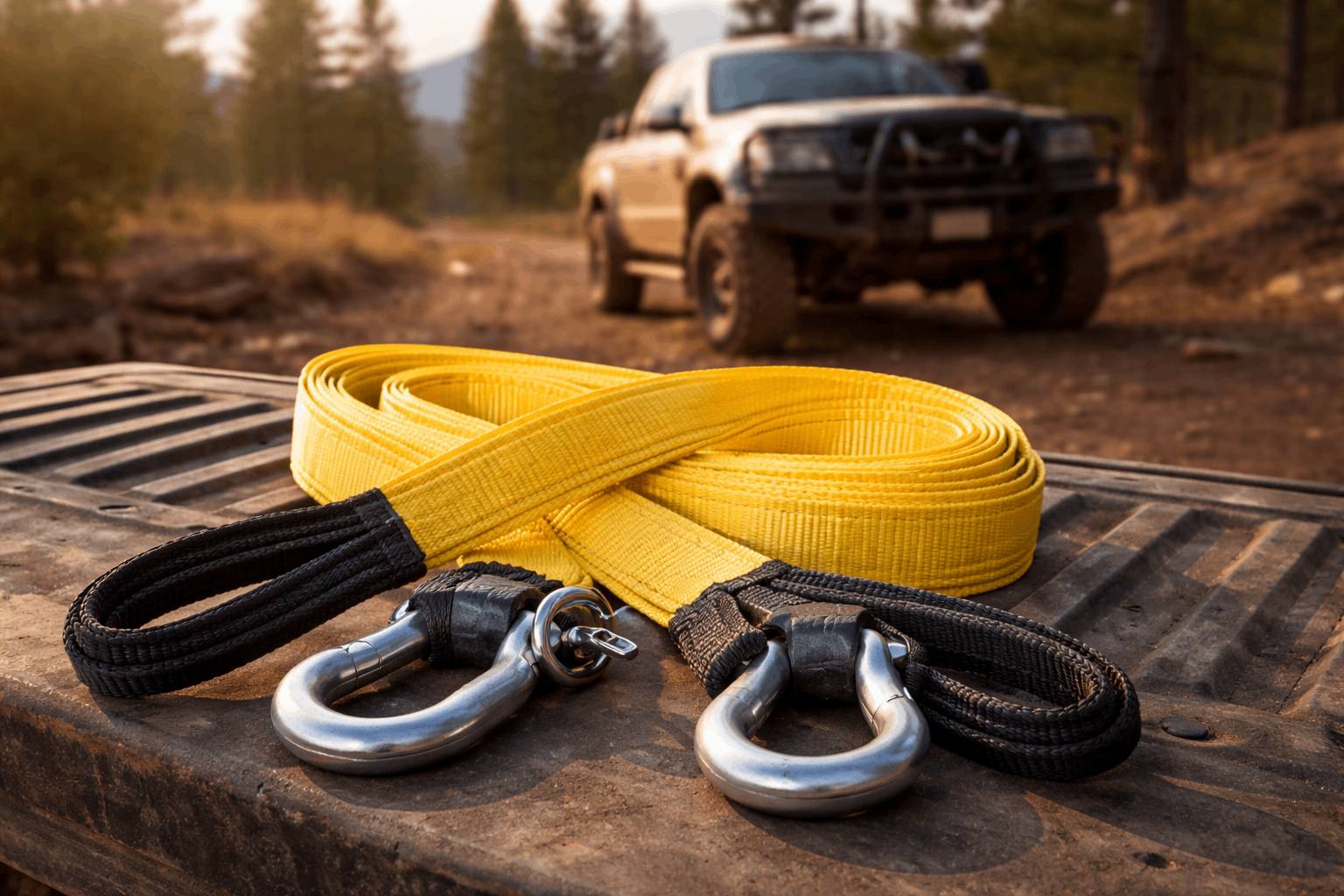
OEM Truck Recovery Straps: A Complete Guide for Buyers
Owning a truck, whether for personal use or commercial purposes, often means being prepared for unexpected situations. One of the most common challenges truck owners face is getting stuck in mud, sand, snow, or other challenging terrains. While a winch can be a solution, one of the most versatile and cost-effective tools for vehicle recovery is the OEM truck recovery strap. Understanding what these straps are, how they work, and how to choose the right one is essential for any truck owner or fleet operator. This comprehensive guide will walk buyers through everything they need to know about OEM truck recovery straps.
What Are OEM Truck Recovery Straps?
OEM truck recovery straps are heavy-duty straps specifically designed to pull or tow a stuck vehicle. Unlike standard tow ropes or chains, recovery straps are made from high-strength materials that can stretch under load, which allows for smoother and safer recovery operations. The term "OEM" stands for Original Equipment Manufacturer, meaning the strap is made according to the specifications of the truck manufacturer or by a trusted third-party that meets OEM standards.
These straps are commonly made from polyester or nylon, materials chosen for their strength, durability, and elasticity. The elasticity is crucial because it allows the strap to absorb some of the shock when pulling a vehicle, reducing the risk of damage to both vehicles involved in the recovery process.
Key Features of OEM Truck Recovery Straps
When evaluating OEM truck recovery straps, buyers should pay attention to several key features:
-
Material: Most recovery straps are made from either polyester or nylon. Polyester is highly durable and resistant to UV damage and abrasion, making it ideal for frequent outdoor use. Nylon, on the other hand, offers excellent elasticity, which helps absorb shock during recovery.
-
Working Load Limit (WLL): This is the maximum load the strap can safely handle. WLL is usually marked on the strap and is a critical factor in choosing the right strap for your truck. Always select a strap with a WLL higher than the weight of the vehicle being recovered.
-
Length: Recovery straps come in various lengths, typically ranging from 15 to 30 feet. Longer straps provide more distance between vehicles during recovery, which increases safety and allows for more controlled pulls.
-
Width: Wider straps can distribute the load more evenly, reducing stress on the strap and the vehicle’s recovery points. Common widths range from 2 inches to 4 inches.
-
End Loops: OEM straps often feature reinforced loops on each end, designed to attach to tow hooks, shackles, or recovery points. Quality loops prevent tearing and enhance safety during recovery.
-
Elasticity: The stretch capability of the strap plays a vital role in the recovery process. Elastic straps reduce shock loads and prevent sudden jerks that can damage the vehicle.
Types of OEM Truck Recovery Straps
OEM truck recovery straps can be categorized based on design and material:
-
Standard Polyester Straps: These are durable, resistant to UV and abrasion, and provide reliable strength. They are ideal for light to medium-duty recoveries.
-
Nylon Elastic Straps: These straps offer superior elasticity and are effective for absorbing shock. They are suitable for off-road situations where the truck may be deeply stuck in mud, sand, or snow.
-
Tree Saver Straps: Often used in off-road recovery, these wider straps protect trees and anchor points from damage when used for vehicle recovery.
-
Tow Straps with Shackles: Some OEM straps come with metal shackles for easier and more secure attachment, adding convenience for buyers who want a ready-to-use solution.
How to Use OEM Truck Recovery Straps Safely
Safety is paramount when using recovery straps. Improper use can result in injury or vehicle damage. Here are key safety tips:
-
Inspect the Strap Before Use: Check for fraying, cuts, or worn areas. Any damage can compromise the strap’s strength.
-
Select the Right Recovery Points: Always attach straps to the vehicle’s designated recovery points, such as tow hooks or reinforced frame points. Never attach straps to bumpers or suspension components.
-
Clear the Area: Ensure that all bystanders are at a safe distance before starting recovery. A snapped strap can be extremely dangerous.
-
Use a Controlled Pull: Avoid sudden jerks. The strap should stretch gradually to pull the vehicle out, minimizing stress on both vehicles.
-
Communicate Between Drivers: Both the vehicle being pulled and the pulling vehicle should have clear communication. Use hand signals or walkie-talkies in noisy environments.
-
Avoid Overloading: Never exceed the Working Load Limit of the strap. Overloading can lead to catastrophic failure.
Choosing the Right OEM Truck Recovery Strap
Selecting the right strap depends on several factors:
-
Vehicle Weight: Ensure the strap’s WLL exceeds your truck’s gross vehicle weight.
-
Terrain: For soft or loose terrain, a longer strap with more elasticity is preferable.
-
Frequency of Use: For occasional recovery, a standard polyester strap may suffice, while frequent off-road users may benefit from high-strength, elastic straps with reinforced loops.
-
Budget and Brand: OEM straps from reputable manufacturers often offer better durability and warranty coverage compared to generic alternatives.
Maintenance and Storage Tips
Proper maintenance ensures that OEM truck recovery straps last for years:
-
Clean After Use: Dirt, sand, and mud can degrade the fibers. Wash with mild soap and water, then air-dry.
-
Avoid UV Exposure: Prolonged exposure to sunlight can weaken the strap. Store in a cool, dry place.
-
Regular Inspections: Before each use, inspect for fraying, cuts, or broken stitching.
-
Avoid Chemicals: Keep the strap away from oil, fuel, or strong chemicals, as these can degrade the material.
Advantages of OEM Straps Over Generic Straps
OEM truck recovery straps often provide several benefits compared to generic or aftermarket options:
-
Reliable Quality: OEM straps are designed to meet manufacturer specifications, ensuring consistent performance.
-
Warranty and Support: OEM products often come with a warranty and customer support, providing peace of mind.
-
Durability: Higher-quality materials and construction techniques mean OEM straps last longer under harsh conditions.
-
Compatibility: OEM straps are more likely to fit vehicles correctly and safely, reducing the risk of improper attachment.
Conclusion
For truck owners, having a reliable recovery strap is not just a convenience—it is a critical safety tool. OEM truck recovery straps provide the strength, elasticity, and reliability needed to handle challenging recovery situations safely. When choosing a strap, consider factors such as material, working load limit, length, width, and quality of construction. Additionally, always follow proper safety procedures during use and maintain the straps to ensure long-term performance. By understanding the features and best practices associated with OEM truck recovery straps, buyers can make informed decisions and be better prepared for off-road adventures or roadside emergencies.
Investing in a high-quality OEM recovery strap is a small cost compared to the potential damage or risk involved in improper recovery. Whether you are a seasoned off-roader or a fleet operator, choosing the right strap ensures your truck stays safe, secure, and ready for any challenge.
www.reliablesling.com
reliablesling
About Author
