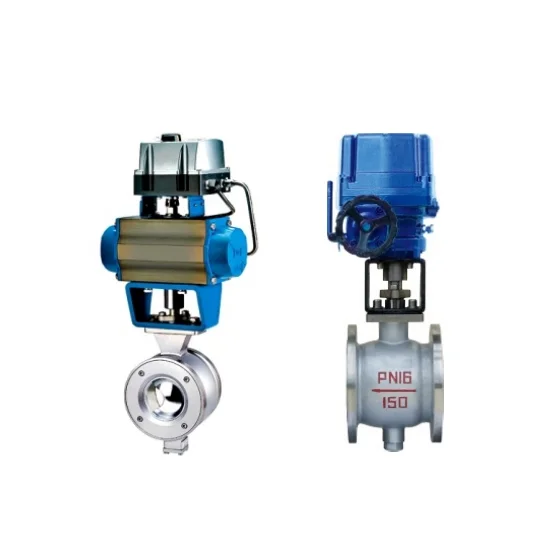
Stainless Steel Ball Valves vs. Brass Valves: Which One is Better?
Ball valves are essential components in fluid control systems, offering reliable and precise regulation of flow in pipelines across industries such as oil and gas, water treatment, chemical processing, and HVAC systems. Two of the most common materials for ball valves are stainless steel and brass. Both have distinct advantages and limitations, and choosing the right one depends on multiple factors including pressure, temperature, fluid type, and budget considerations. In this article, we will compare stainless steel ball valves and brass valves across various parameters to help you make an informed decision.
1. Material Composition and Properties
Stainless Steel Ball Valves
Stainless steel ball valves are typically made from grades 304 or 316 stainless steel. These alloys are known for their exceptional corrosion resistance, durability, and mechanical strength. Stainless steel contains chromium, which forms a protective oxide layer on the surface, preventing rust and corrosion even under harsh conditions. 316 stainless steel also includes molybdenum, enhancing its resistance to chloride and chemical corrosion, making it ideal for marine and chemical applications.
Key properties of stainless steel ball valves include:
-
High resistance to corrosion and oxidation
-
Ability to handle high temperatures (up to 400°C in some grades)
-
High mechanical strength and wear resistance
-
Long service life in aggressive environments
Brass Valves
Brass valves are made primarily from an alloy of copper and zinc, sometimes with small amounts of lead to improve machinability. Brass offers excellent corrosion resistance in potable water systems, is easy to machine, and generally costs less than stainless steel.
Key properties of brass valves include:
-
Good corrosion resistance in water and non-corrosive fluids
-
Affordable and widely available
-
Easy to install and maintain
-
Suitable for moderate temperatures (typically up to 120–150°C)
2. Corrosion Resistance
Corrosion resistance is often the deciding factor when choosing between stainless steel and brass valves.
-
Stainless Steel: Stainless steel ball valves excel in corrosive environments. They can withstand exposure to saltwater, acids, and industrial chemicals without significant degradation. This makes them ideal for chemical plants, marine systems, and outdoor applications where weathering and moisture are concerns.
-
Brass: Brass valves are highly resistant to corrosion in potable water and many mild industrial fluids. However, brass is vulnerable to dezincification, a type of corrosion where zinc leaches out, especially in acidic or high-chloride environments. Over time, this can weaken the valve body and lead to leaks.
Winner: Stainless steel is superior in terms of corrosion resistance, especially in aggressive environments.
3. Strength and Durability
-
Stainless Steel: Stainless steel ball valves are extremely durable and can handle high pressures and heavy mechanical stress. They maintain their structural integrity under demanding conditions and are less prone to cracking or warping.
-
Brass: Brass valves are mechanically strong but less robust than stainless steel. They perform well under moderate pressures but are more susceptible to deformation under high pressure or impact.
Winner: Stainless steel provides better long-term durability, especially in high-pressure or industrial applications.
4. Temperature and Pressure Tolerance
-
Stainless Steel: Stainless steel valves can operate at high temperatures and pressures, making them suitable for steam, hot oil, and other demanding applications. Depending on the grade, stainless steel valves can handle pressures up to 1000 psi or more and temperatures up to 400°C.
-
Brass: Brass valves have lower temperature and pressure tolerances. Most brass valves are rated for pressures up to 600 psi and temperatures up to 150°C. Using brass in high-temperature or high-pressure environments may risk valve failure.
Winner: Stainless steel valves are more versatile for extreme temperature and pressure conditions.
5. Cost Considerations
-
Stainless Steel: Stainless steel ball valves are more expensive upfront due to the higher cost of raw material and manufacturing complexity. However, their longer lifespan and reduced maintenance costs can justify the investment over time.
-
Brass: Brass valves are significantly more cost-effective and are suitable for budget-conscious projects. They are commonly used in residential plumbing, irrigation, and low-pressure industrial applications.
Winner: Brass valves win on initial cost, but stainless steel may offer better long-term value.
6. Applications
Stainless Steel Ball Valves:
-
Chemical and petrochemical industries
-
Marine and offshore systems
-
High-pressure steam lines
-
Food and pharmaceutical processing (grade 316L)
-
HVAC and industrial water systems
Brass Valves:
-
Residential and commercial plumbing
-
Low-pressure heating and cooling systems
-
Irrigation and garden systems
-
General water supply lines
Observation: Stainless steel valves dominate industrial and high-demand environments, whereas brass valves are suitable for standard residential and light commercial applications.
7. Maintenance and Longevity
-
Stainless Steel: Stainless steel ball valves require minimal maintenance due to their corrosion resistance and durability. They maintain performance over decades, even in harsh environments.
-
Brass: Brass valves may require periodic inspection, especially in aggressive water conditions prone to dezincification or scaling. Over time, brass valves may need replacement in high-demand applications.
Winner: Stainless steel offers superior longevity and lower maintenance requirements.
8. Environmental Considerations
-
Stainless Steel: Stainless steel is fully recyclable and has a lower environmental impact in the long term because of its extended lifespan.
-
Brass: Brass is also recyclable, but the shorter lifespan and potential for premature failure can lead to more frequent replacements, increasing waste over time.
Winner: Stainless steel has a slight edge in sustainability for industrial use.
9. Installation and Handling
-
Brass: Brass valves are easier to machine and lighter, making installation simpler, especially for DIY or residential applications. They can be threaded, soldered, or compression-fitted with ease.
-
Stainless Steel: Stainless steel valves are heavier and more challenging to install due to their hardness and weight. Threading and welding stainless steel may require special tools and skilled labor.
Winner: Brass valves are more user-friendly for installation and handling.
10. Summary Table: Stainless Steel vs. Brass Ball Valves
| Feature | Stainless Steel Ball Valve | Brass Valve |
|---|---|---|
| Corrosion Resistance | Excellent | Good (prone to dezincification) |
| Mechanical Strength | High | Moderate |
| Temperature & Pressure Limit | High | Moderate |
| Durability | Long-lasting | Moderate |
| Maintenance Requirements | Low | Moderate |
| Cost | High | Low |
| Installation Ease | Moderate | Easy |
| Common Applications | Industrial, Marine, Chemical | Residential, Water Supply, Light Industrial |
| Environmental Impact | Low (recyclable, long lifespan) | Moderate (shorter lifespan) |
Conclusion: Which One is Better?
The choice between stainless steel ball valves and brass valves depends heavily on the application, environment, and budget:
-
Choose stainless steel ball valves if your system involves high pressure, high temperature, corrosive fluids, or industrial applications. Despite the higher upfront cost, stainless steel valves provide long-term reliability, minimal maintenance, and superior durability.
-
Choose brass valves if your application is residential or light commercial, involves moderate pressure and temperature, and cost is a primary concern. Brass valves are affordable, easy to install, and perform well in non-corrosive environments, making them ideal for plumbing and irrigation systems.
In short, stainless steel ball valves are built to last and handle the toughest conditions, while brass valves offer cost-effective solutions for standard applications. By evaluating your specific requirements, you can make the best choice for both performance and budget.
www.ainoxvalves.com
ainoxvalves
About Author
