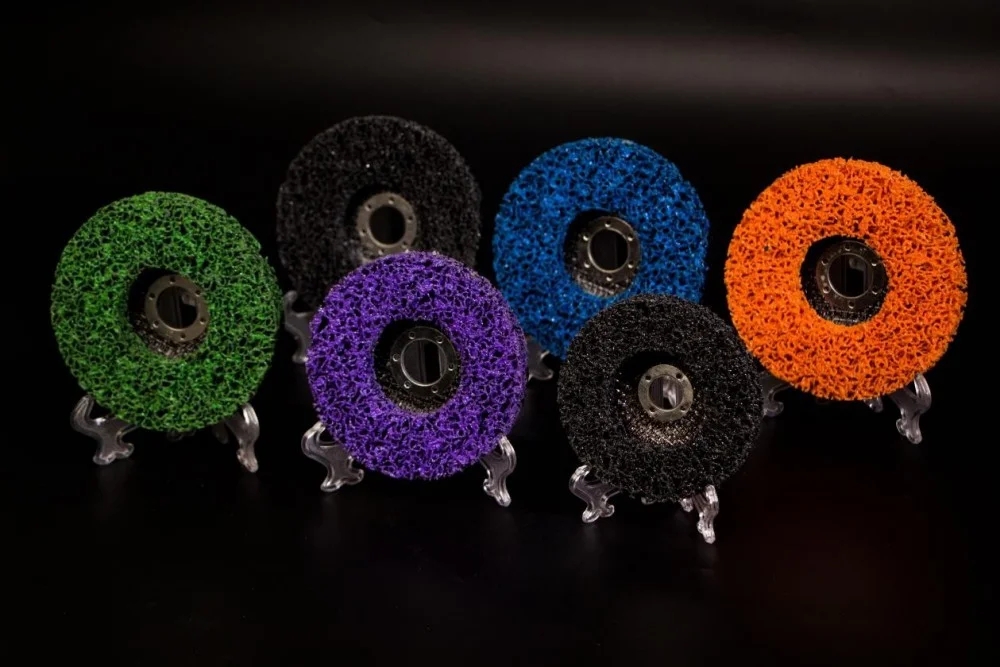
How Strips & Clean Discs Improve Surface Preparation Before Coating
In modern manufacturing and metal fabrication, a durable and attractive coating depends on much more than the quality of the paint or protective layer itself. Proper surface preparation is equally important. Before painting, powder coating, or applying other protective finishes, metal surfaces must be clean, smooth, and free from rust, oxides, burrs, and other contaminants.
Among the abrasive solutions commonly used for this purpose, strips and clean discs offer an efficient way to grind, deburr, clean, and finish metal surfaces. With the development of advanced abrasive manufacturing technologies, companies such as Zhejiang Wangpeng Electromechanical Technology Co., Ltd. continue to provide tools designed to improve surface preparation efficiency and coating performance.
Why Proper Surface Preparation Matters
The condition of a metal surface has a direct impact on how well a coating performs. If rust, oil, scale, old paint, or other contaminants remain on the substrate, the coating may not bond correctly. Over time, this can result in premature failure and additional maintenance work.
Common problems caused by inadequate preparation include:
-
Coating peeling or flaking: Rust, scale, and contaminants can prevent the coating from forming a strong bond.
-
Uneven surface appearance: Remaining burrs, weld marks, or other irregularities can become visible through the finished coating.
-
Poor coating adhesion: A contaminated or improperly prepared surface can significantly reduce the strength of the bond between the coating and the metal.
-
Increased rework: Inconsistent preparation may require additional grinding, cleaning, or recoating.
For these reasons, industrial manufacturers increasingly use specialized abrasive products such as strips and clean discs to create a consistent foundation for subsequent coating operations.
Understanding Strips and Clean Discs
Strips are flexible abrasive tools designed for cleaning and finishing surfaces, particularly in areas where conventional grinding wheels are difficult to use. Their flexible construction makes them suitable for working around corners, edges, grooves, and other complicated geometries.
They can be used to remove:
-
Surface rust
-
Oxide layers
-
Old coatings
-
Light corrosion
-
Surface contamination
Clean discs are another useful abrasive solution for metal preparation. They are designed to remove unwanted material in a controlled manner while helping operators maintain a relatively consistent surface finish. Depending on the abrasive construction and application, clean discs can be used for removing burrs, weld residue, splatter, and minor surface imperfections.
Using these two types of abrasives together gives operators greater flexibility. Strips can handle difficult-to-access areas, while clean discs can provide more uniform cleaning and finishing across larger surfaces.
Benefits of High-Quality Abrasive Tools
The performance of an abrasive tool has a direct effect on both productivity and the final surface condition. Poor-quality abrasives may wear rapidly, remove material inconsistently, or generate excessive heat during operation. These issues can increase processing time and potentially affect the metal substrate.
Zhejiang Wangpeng Electromechanical Technology Co., Ltd. is an example of a manufacturer focused on abrasive product development and production. Established in 1996, the company has developed into a high-tech enterprise specializing in the research, development, and manufacturing of resin grinding wheels.
Its product portfolio includes high-strength resin thin grinding wheels, cymbal-shaped grinding wheels, ultra-thin cutting blades, and specialized abrasive discs such as A, WA, and GC series products. The company has also introduced automated production equipment to improve manufacturing consistency and production efficiency.
For industrial users, selecting abrasives from an experienced manufacturer can provide several practical benefits:
-
More consistent surface preparation: Stable abrasive performance helps produce a more uniform finish.
-
Less rework: Effective material removal reduces the possibility of leaving behind rust, burrs, or other surface defects.
-
Longer operating life: Durable abrasives can reduce the frequency of tool replacement.
-
Improved productivity: Consistent grinding and cleaning performance can help shorten preparation time.
For more product information, see Zhejiang Wangpeng Strips & Clean Discs.
How Strips and Clean Discs Are Used
In practical manufacturing environments, surface preparation generally consists of several stages. The exact process depends on the material, existing surface condition, and coating requirements.
1. Surface Cleaning and Rust Removal
Strips can first be used to remove rust, old paint, oxide deposits, and other unwanted surface layers. Their flexibility makes them especially useful when the workpiece has corners, recessed areas, or irregular contours.
This initial step helps expose a cleaner metal surface for subsequent processing.
2. Deburring and Surface Smoothing
After major contaminants have been removed, clean discs can be used to address burrs, weld marks, splatter, and smaller imperfections. Controlled abrasion helps produce a more consistent surface and reduces irregularities that could interfere with the coating.
3. Final Surface Finishing
Some applications require additional finishing before the coating is applied. Depending on the required surface condition, finer abrasive products can be used to create a smoother and more uniform finish.
The goal is not simply to make the metal look cleaner. A properly prepared surface provides a more reliable base for the next manufacturing process.
Industrial Applications
Surface preparation is important across many industries where metal components require protective or decorative coatings.
Automotive Components
Automotive parts such as chassis components, brake-related parts, and other fabricated metal components often contain complex shapes and edges. Consistent abrasive preparation can help remove burrs, oxidation, and manufacturing residues before coating.
Metal Furniture and Appliances
Metal furniture, appliances, and similar products require both functional protection and an attractive appearance. A properly prepared surface can contribute to a more uniform coating and reduce visible surface defects.
Fabricated Metal Components
In metal fabrication, welding and cutting frequently leave burrs, weld spatter, and rough edges. Abrasive tools are commonly used to clean these areas before painting, powder coating, or other finishing processes.
For manufacturers processing large batches of components, consistency is particularly important. Abrasives that deliver stable performance can help maintain similar surface conditions from one workpiece to another.
What to Consider When Choosing Strips and Clean Discs
Selecting an abrasive should be based on the specific material and processing requirements rather than simply choosing the most aggressive product.
Material Compatibility
Different metals respond differently to abrasive processes. The abrasive type should be appropriate for the substrate to avoid excessive material removal or unwanted surface damage.
Abrasive Characteristics
The abrasive grade and construction influence cutting performance, surface finish, and tool life. A more aggressive abrasive may be appropriate for heavy cleaning, while a finer option may be better for finishing.
Shape and Dimensions
The size and configuration of the tool should match the workpiece. Flexible strips are particularly useful for narrow or irregular areas, while discs are often more practical for broader surfaces.
Application Requirements
The required final surface condition should also be considered. Heavy rust removal, weld finishing, deburring, and final surface preparation may each require different abrasive characteristics.
Manufacturer Reliability
Consistent manufacturing quality is important for industrial applications. Products from established abrasive manufacturers can offer more predictable performance, which is particularly valuable in repetitive production environments.
The Future of Metal Surface Preparation
As manufacturing becomes increasingly automated, abrasive tools are also evolving. Modern production environments require products that can maintain consistent performance while supporting higher productivity and more precise processing.
Future abrasive solutions are expected to focus increasingly on:
-
Improved operator ergonomics
-
Lower heat generation during grinding
-
Longer abrasive service life
-
More consistent surface finishes
-
Better compatibility with automated processing equipment
These developments can help manufacturers reduce preparation time while maintaining the surface quality required for modern coating systems.
Zhejiang Wangpeng continues to invest in abrasive technology, production equipment, and product development, supporting the growing demand for efficient and reliable metal finishing solutions.
Conclusion
Effective coating begins with effective surface preparation. Removing rust, oxidation, burrs, weld residue, and other imperfections before coating can significantly improve surface consistency and provide a better foundation for the finishing process.
Strips and clean discs offer complementary advantages in this work. Strips are useful for flexible cleaning and finishing in difficult areas, while clean discs provide controlled abrasion for deburring, smoothing, and general surface preparation.
By selecting suitable abrasive products and applying them correctly, manufacturers can improve preparation efficiency, reduce rework, and achieve more consistent coating results. With its long-standing experience in abrasive manufacturing and focus on automated production and product development, Zhejiang Wangpeng Electromechanical Technology Co., Ltd. provides solutions for a wide range of industrial metalworking applications.
For detailed specifications and product options, visit Zhejiang Wangpeng Strips & Clean Discs.
www.wp-cut.com
Zhejiang Wangpeng Electromechanical Technology Co., Ltd.
About Author
