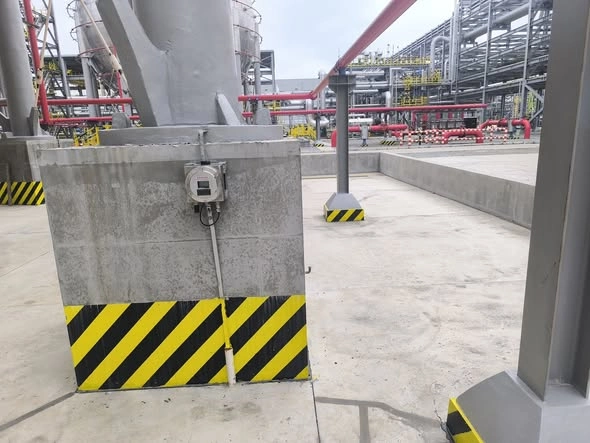
How an Oil Petrochemical Grounding Monitoring System Strengthens Safety in Hazardous Industrial Facilities
Safety has always been a top priority in the oil and petrochemical sector. Facilities such as refineries, chemical plants, storage terminals, and offshore installations contain complex electrical systems operating in environments where static electricity, lightning, and electrical faults can create serious hazards.
A dependable grounding network is essential for reducing these risks, but simply installing a grounding system is no longer enough. As industrial plants embrace digitalization and intelligent maintenance, continuous monitoring has become a key part of modern safety management.
An oil petrochemical grounding monitoring system enables operators to monitor grounding conditions in real time, identify abnormalities at an early stage, and respond quickly before faults develop into larger safety issues. By integrating intelligent sensing, wireless communication, and online monitoring technologies, these systems help transform conventional grounding protection into a proactive and data-driven safety solution.
Why Traditional Grounding Management Is No Longer Sufficient
Grounding infrastructure is expected to operate reliably for many years while being exposed to harsh industrial environments.
Over time, corrosion, vibration, humidity, soil conditions, temperature fluctuations, and mechanical wear can gradually affect grounding performance. Because these changes often occur slowly, they may not be discovered during routine inspections.
Conventional testing methods provide only periodic measurements, meaning hidden grounding problems can remain undetected between inspection cycles. If grounding performance deteriorates unexpectedly, facilities may face increased risks of electrical faults, static discharge, equipment damage, or production interruptions.
For modern industrial operations, relying solely on scheduled inspections is becoming increasingly inadequate.
Why Continuous Grounding Monitoring Is Becoming Standard Practice
Industrial companies are increasingly shifting from preventive maintenance schedules toward condition-based maintenance strategies.
An oil petrochemical grounding monitoring system continuously supervises grounding performance instead of checking it only during maintenance visits. Whenever grounding resistance changes, electrical continuity is interrupted, or abnormal operating conditions occur, maintenance personnel receive immediate notifications.
This continuous monitoring approach allows engineers to identify developing issues long before they create operational or safety problems.
Besides improving electrical protection, continuous monitoring also generates valuable historical data that supports maintenance planning and long-term asset management.
Supporting Compliance and Safer Plant Operations
Industrial safety regulations continue to place greater emphasis on maintaining reliable electrical grounding throughout a facility's operational life.
Simply demonstrating that a grounding system was correctly installed is no longer sufficient. Operators are increasingly expected to verify that grounding performance remains stable over time.
An oil petrochemical grounding monitoring system provides documented operational records together with real-time status information, making it easier to support safety audits, maintenance documentation, and compliance with industry standards.
At the same time, improved visibility into grounding conditions contributes to safer working environments and more reliable plant operation.
Key Advantages of an Oil Petrochemical Grounding Monitoring System
Continuous Real-Time Supervision
Unlike manual inspections, an intelligent monitoring system operates around the clock.
Grounding status is continuously measured, allowing abnormal resistance values, loose connections, or interrupted grounding paths to be detected immediately.
Real-time monitoring helps maintenance teams respond quickly before equipment reliability or personnel safety is affected.
Earlier Fault Identification
Grounding performance rarely changes suddenly.
Most failures develop gradually due to corrosion, aging conductors, vibration, or environmental influences.
An oil petrochemical grounding monitoring system continuously analyzes operating conditions and identifies these gradual changes before they become critical failures.
Earlier intervention reduces emergency maintenance while helping extend the service life of grounding infrastructure.
Improved Maintenance Efficiency
Continuous monitoring allows maintenance activities to be based on actual equipment condition rather than fixed inspection schedules.
Instead of performing unnecessary routine inspections, engineers can prioritize maintenance according to real operating data.
This improves workforce efficiency while reducing maintenance costs and minimizing unexpected downtime.
Intelligent System Integration
Modern industrial facilities increasingly depend on centralized digital management platforms.
An advanced oil petrochemical grounding monitoring system can integrate with PLC, SCADA, DCS, and Industrial Internet of Things (IIoT) platforms.
Operators can remotely access:
-
Real-time grounding status
-
Alarm notifications
-
Historical operating records
-
System performance trends
Centralized monitoring improves decision-making and simplifies electrical safety management across large industrial facilities.
Why Many Industrial Facilities Choose Sunlight Grounding
As digital transformation continues across the oil and petrochemical industry, operators require grounding solutions that provide more than conventional electrical protection.
Sunlight Grounding has developed an intelligent oil petrochemical grounding monitoring system specifically for hazardous industrial applications where continuous grounding reliability is essential.
Designed for Hazardous Locations
The system is engineered for demanding environments including:
-
Oil refineries
-
Petrochemical plants
-
Chemical production facilities
-
Tank farms
-
Oil loading terminals
-
Hazardous processing areas
Its explosion-proof design allows reliable operation in locations where electrical safety requirements are particularly stringent.
Intelligent Monitoring Technologies
Unlike traditional grounding systems that require periodic manual testing, the Sunlight Grounding solution combines several intelligent technologies into one platform.
These include:
-
Real-time grounding monitoring
-
Wireless communication
-
Instant fault alarms
-
Online IoT management platform
-
Historical data recording
Together, these technologies provide continuous visibility into grounding performance while helping maintenance personnel identify potential problems at an early stage.
Supporting Predictive Maintenance
One of the greatest advantages of intelligent monitoring is the ability to shift from reactive maintenance toward predictive management.
Rather than repairing failures after they occur, maintenance teams can identify gradual deterioration using continuously collected operating data.
This predictive approach improves maintenance planning, reduces unexpected shutdowns, and increases the reliability of critical electrical infrastructure.
Helping Build Smarter Industrial Safety Systems
As industrial automation continues to evolve, grounding systems are becoming an important source of operational data rather than simply passive safety components.
An oil petrochemical grounding monitoring system contributes to broader digital safety initiatives by providing continuous information that supports asset management, electrical protection, and maintenance optimization.
When integrated into plant-wide monitoring platforms, grounding data becomes part of a comprehensive industrial safety strategy that improves operational transparency and reduces overall risk.
Conclusion
Maintaining reliable grounding is essential for protecting personnel, equipment, and production assets within hazardous industrial environments.
An intelligent oil petrochemical grounding monitoring system provides continuous supervision of grounding performance, enabling early fault detection, faster maintenance response, and improved operational reliability compared with traditional inspection methods.
For facilities pursuing safer operations and digital maintenance strategies, intelligent grounding monitoring has become an increasingly valuable investment. By combining explosion-proof design, wireless communication, real-time monitoring, and an online IoT platform, Sunlight Grounding helps oil and petrochemical operators build smarter, safer, and more reliable grounding management systems for today's connected industrial environments.
www.sltup.com
Sunlight Grounding
About Author
