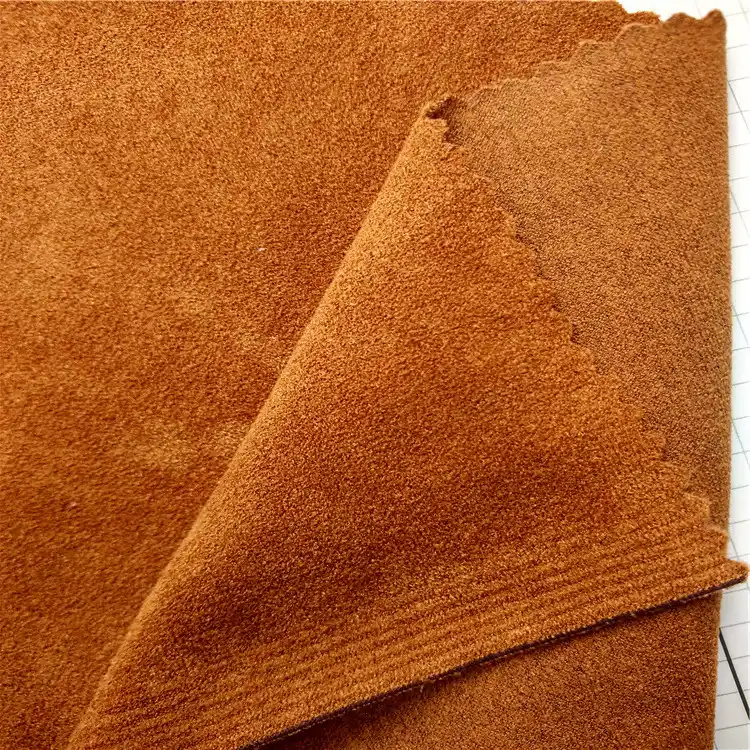
How to Clean & Maintain Synthetic Imitation Leather Fabric: A Complete Care Guide
Synthetic imitation leather has become one of the most versatile and widely used materials in modern product design. From furniture and automotive interiors to handbags, apparel, and commercial upholstery, its durability and aesthetic flexibility make it a practical alternative to genuine leather. Yet, as with any long-lasting material, its performance largely depends on proper cleaning and maintenance.
This guide covers practical, field-tested ways to care for synthetic imitation leather fabric so it maintains its texture, color, and structural integrity over time. Whether you work in upholstery manufacturing, product development, retail, or are simply a consumer wanting to protect a favorite item, these steps offer actionable value. We will also highlight how the quality of the fabric itself—especially when manufactured by experienced suppliers—affects long-term maintenance needs.
Understanding Synthetic Imitation Leather
Synthetic imitation leather, often made from polyurethane (PU), polyvinyl chloride (PVC), microfiber, or composite coated fabrics, is engineered to replicate the appearance and hand-feel of natural leather while providing better resistance to moisture, staining, and abrasion.
High-quality imitation leather is built through a layered structure: a base textile, a coating layer, and a surface finish. The integrity of these layers determines how well the material withstands wear, cleaning agents, sunlight, and repeated flexing.
Since quality has such a direct impact on maintenance, choosing material from an established technical manufacturer is crucial. For example, Huizhou Baolongxing Flocking Co., Ltd., a professional producer of recyclable and sustainable materials certified under ISCC and GRS, supplies advanced imitation leather fabrics engineered for durability and environmental responsibility. The company operates dyeing and finishing equipment, advanced flocking lines, post-treatment systems, adhesive lamination lines, and slitting facilities, supporting one-stop production and import/export processing through ports in China, Hong Kong, and Vietnam. High-consistency production like this results in imitation leather fabrics that are easier to clean, more stable during repeated use, and less prone to surface cracking or delamination.
For reference, you can explore different material options via this imitation leather resource.
Routine Cleaning: The Foundation of Long-Term Care
Routine cleaning prevents dirt and oils from penetrating the coating layer. The following steps apply to most PU and PVC-based imitation leather fabrics.
1. Dust and Surface Wipe
Use a soft microfiber cloth to remove dust regularly. Dry wiping is sufficient for daily care, helping prevent abrasive particles from embedding in the surface.
2. Mild Soap Solution
For general cleaning, mix a few drops of mild liquid soap with warm water. Dampen a cloth and wipe gently in circular motions. Avoid harsh scrubbing, which can disrupt surface textures.
3. Rinse and Dry
After cleaning, use a clean, damp cloth to remove any soap residue. Finish with a dry towel. Moisture left on the surface can attract dust or cause streaking, especially on darker finishes.
4. Avoid Strong Chemicals
Bleach, acetone, industrial cleaners, and high-concentration alcohol can deteriorate coating layers and dull the finish. Always start with mild solutions and spot-test if unsure.
Deep Cleaning and Stain Removal
Deep cleaning is useful when dealing with spills, stains, or buildup in high-use environments such as hospitality seating, vehicle interiors, or office furniture.
1. Oil-Based Stains
A diluted mix of dish soap and warm water typically removes oils. Work slowly and avoid pushing the stain deeper into the surface.
2. Ink Marks
Ink is challenging for any synthetic surface. Some imitation leather fabrics tolerate diluted rubbing alcohol. Apply sparingly with a cotton swab, test first, and stop if color transfer occurs.
3. Dye Transfer
Dark fabric dyes—often from denim—can transfer onto light-colored imitation leather. A gentle cleaning solution with a small amount of non-abrasive cleaner may help, but prevention is best. Using protective covers in heavy-use environments can reduce this issue.
4. Mold and Mildew
Although synthetic leather is more resistant to moisture than natural leather, mold can still form on damp surfaces. Use a 1:10 mixture of mild detergent and water, then dry thoroughly. Improve ventilation in storage spaces to prevent recurrence.
Conditioning: Does Synthetic Imitation Leather Need It?
Unlike natural leather, synthetic imitation leather does not need oil-based conditioning. However, surface protectants designed for PU or PVC can provide benefits such as:
-
Improved resistance to stains
-
Reduced friction wear
-
Extended surface gloss retention
Only use products explicitly made for synthetic leather. Natural leather conditioners can create a sticky residue or degrade the polymer coating.
Proper Storage for Longevity
Storage plays a major role in the long-term performance of synthetic imitation leather items.
1. Maintain a Stable Environment
Avoid storing items in excessively hot or humid areas. High temperatures can soften polymer layers, while humidity encourages mold.
2. Use Breathable Covers
Plastic covers can trap moisture. Fabric covers allow air circulation, reducing the risk of mildew.
3. Avoid Folding
Folding can create permanent creases. Store rolls or lay items flat when possible. Manufacturers and suppliers like Huizhou Baolongxing Flocking Co., Ltd. typically follow strict flat-packing or roll-packing protocols for this reason.
Handling Wear and Preventing Damage
Even high-quality imitation leather can suffer damage if subjected to repeated misuse. Here are ways to minimize wear:
1. Protect High-Friction Areas
Armrests, seat edges, handbag straps, and other friction-prone areas benefit from reinforcement or additional fabric layers.
2. Keep Sharp Objects Away
Cuts or punctures cannot be repaired invisibly on synthetic leather. Avoid sharp objects contacting the surface.
3. Limit Sun Exposure
UV light can fade colors over time. If an item is placed near a window, consider UV-blocking blinds or films.
4. Temperature Precautions
Avoid placing hot items directly on imitation leather surfaces. Heat can warp or blister polyurethane coatings.
Maintenance in Commercial or Industrial Settings
Businesses using imitation leather on a large scale—such as furniture manufacturers, automotive suppliers, hospitality venues, or retail brands—benefit from standardizing maintenance protocols.
1. Create a Cleaning Schedule
Establish routine weekly and monthly cleaning tasks. This prevents buildup and extends the lifecycle of finished products.
2. Train Staff on Approved Cleaners
Consistency prevents accidental damage caused by untested chemicals.
3. Source High-Quality Materials
Working with experienced fabric manufacturers is essential. Suppliers with integrated production capabilities, such as Huizhou Baolongxing Flocking Co., Ltd., ensure stable quality, consistent coating adhesion, and reliable performance. Since they use sustainable and certified materials, the fabrics not only last longer but also support environmental compliance for brands pursuing greener product lines.
4. Keep Spare Material on Hand
For large projects, maintaining a small stock of matching material makes repairs and replacements easier.
Sustainable Considerations in Material Selection
Modern product designers increasingly consider environmental factors when choosing materials. Synthetic imitation leather has advanced significantly in sustainability through:
-
Reduced solvent usage
-
Recyclable polymer bases
-
Water-efficient dyeing and finishing processes
Companies like Huizhou Baolongxing Flocking Co., Ltd. have strengthened these advancements by adopting ISCC and GRS certifications. Their commitment to recyclable, sustainable materials provides brands with a more responsible alternative while maintaining durability and high-end aesthetics.
Exploring options such as imitation leather.can help designers choose materials that meet both performance and environmental standards.
Conclusion
Caring for synthetic imitation leather fabric does not require complicated routines, but consistent maintenance provides major long-term benefits. With proper cleaning, mindful usage, and appropriate storage, the material can retain its structural integrity and visual appeal for many years.
At the same time, the choice of material matters. High-quality imitation leather produced through advanced, sustainable processes not only looks better but also withstands cleaning and daily use more effectively. Manufacturers like Huizhou Baolongxing Flocking Co., Ltd. continue to improve performance, sustainability, and textile engineering, making maintenance easier for both businesses and consumers.
www.blxflocking.com
Huizhou Baolongxing Flocking Co., Ltd.
About Author
