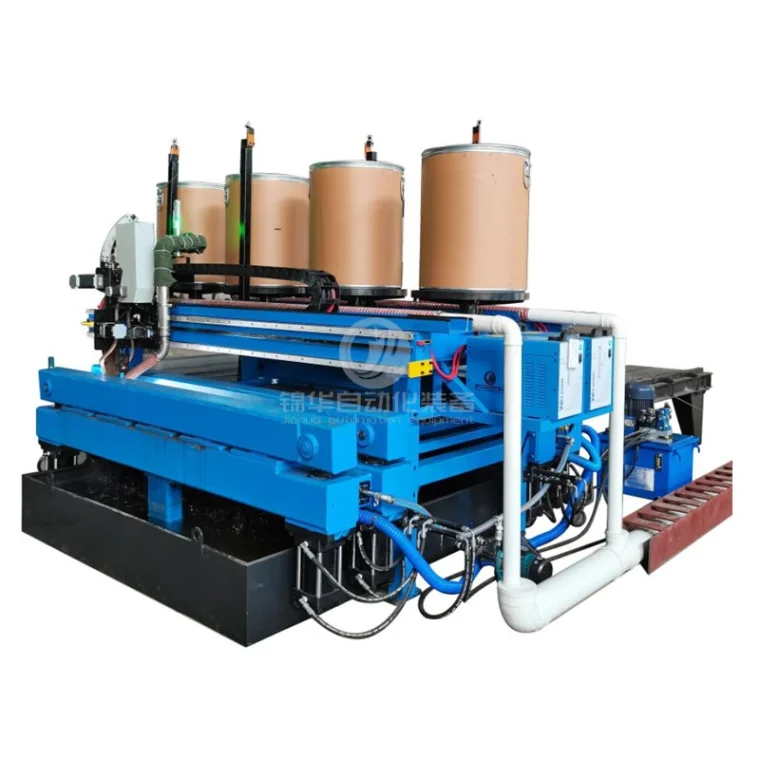
Top Applications of Hardfacing Welding Machines in Heavy Industries
In the realm of heavy industries, machinery and equipment are subjected to extreme wear and tear. Components such as mining tools, construction machinery parts, and industrial rollers often operate under high stress, friction, and abrasive conditions. Prolonged exposure to these harsh environments can lead to premature failure, causing costly downtime and frequent replacement of parts. This is where hardfacing welding machines play a crucial role, providing a cost-effective and durable solution to extend the lifespan of industrial equipment.
Understanding Hardfacing Welding Machines
Hardfacing welding machines are specialized welding systems designed to deposit a wear-resistant layer, or "hardface," onto the surface of metal components. The deposited layer typically consists of alloys such as tungsten carbide, chromium, or cobalt-based compounds that significantly enhance the hardness, abrasion resistance, and impact toughness of the substrate. Unlike traditional welding, hardfacing focuses not on joining metals but on surface reinforcement, making it an essential technique for heavy industry maintenance and manufacturing.
Key Advantages of Hardfacing Welding Machines in Heavy Industries
Before diving into specific applications, it is important to highlight the benefits of using hardfacing welding machines:
-
Extended Component Lifespan: By applying wear-resistant coatings, components can endure abrasive conditions for much longer, reducing replacement frequency.
-
Cost Efficiency: Instead of manufacturing entirely new parts, hardfacing restores worn components, lowering maintenance costs.
-
Enhanced Performance: Equipment retains structural integrity and operational efficiency, even in high-stress environments.
-
Customizable Hardfacing Solutions: Different hardfacing materials can be selected depending on the specific wear pattern or operational requirement.
These advantages make hardfacing welding machines indispensable for industries where equipment durability is a priority.
Top Applications in Heavy Industries
1. Mining Industry
The mining sector is arguably the heaviest user of hardfacing technology. Mining equipment, such as excavator buckets, crusher jaws, and conveyor components, is constantly exposed to abrasive ores, rocks, and dust. Hardfacing welding machines are employed to coat these parts, significantly increasing their wear resistance.
-
Excavator and Loader Buckets: The edges of buckets are prone to severe wear. Hardfacing layers reduce material loss and maintain operational efficiency.
-
Crusher Parts: Jaw plates and impact hammers benefit from hardfacing to handle repeated impact and abrasion.
-
Conveyor Rollers: Hardfaced rollers endure constant friction with transported materials, preventing deformation and wear.
By utilizing hardfacing, mining companies can reduce unplanned downtime and improve overall productivity.
2. Construction and Earthmoving Equipment
Heavy construction equipment such as bulldozers, graders, and backhoes operates under abrasive soil, gravel, and rock conditions. Hardfacing welding machines are widely used to reinforce key components:
-
Blade Edges and Cutters: Bulldozer and grader blades are coated to resist soil abrasion and maintain cutting efficiency.
-
Bucket Teeth: Excavator and loader bucket teeth experience high-impact wear; hardfacing prolongs their lifespan.
-
Hydraulic Components: Pins, bushings, and cylinders are hardfaced to prevent premature failure due to friction and impact.
This application ensures equipment reliability, reduces replacement costs, and enhances operational safety.
3. Steel and Metal Manufacturing Industry
In steel mills and metal fabrication plants, equipment such as rollers, molds, and dies endure continuous abrasion from molten metal, slag, or mechanical processes. Hardfacing welding machines provide a solution to maintain these components:
-
Rolling Mill Rolls: Hardfacing enhances resistance to wear and thermal fatigue, extending the operational life of rolls.
-
Molds and Dies: Metal casting molds benefit from hardfacing coatings that prevent erosion and prolong tooling life.
-
Shear Blades: Hardfaced shear blades maintain cutting precision and resist wear over extended periods.
By applying hardfacing, manufacturers can optimize production efficiency while minimizing maintenance interruptions.
4. Power Generation and Energy Sector
Power plants and energy-related industries require components that withstand high stress, erosion, and corrosion. Hardfacing welding machines are employed to enhance durability:
-
Turbine Blades: Hardfaced coatings improve resistance to erosion caused by high-velocity particles in steam or gas turbines.
-
Pump Impellers: Hardfacing prevents wear from abrasive fluids, extending pump service life.
-
Coal and Biomass Handling Equipment: Feed chutes, hoppers, and conveyors are hardfaced to endure abrasive materials.
This application ensures continuous operation and reduces maintenance intervals in critical energy infrastructure.
5. Cement and Aggregates Industry
In cement plants and aggregate processing facilities, equipment is exposed to highly abrasive materials like limestone, sand, and clinker. Hardfacing welding machines are widely used to improve component durability:
-
Crusher and Mill Liners: Hardfacing protects liners from abrasion, preventing frequent replacement.
-
Mixer Blades and Chutes: Hardfacing minimizes wear in concrete mixers and material handling chutes.
-
Elevator Buckets: Hardfaced elevator buckets resist material erosion, maintaining efficiency and reducing downtime.
Through hardfacing, these industries maintain operational continuity and reduce equipment-related costs.
6. Agricultural and Forestry Machinery
Agricultural and forestry machinery often faces abrasive soil, stones, and organic material. Hardfacing welding machines extend the service life of these components:
-
Plow Blades and Disc Harrows: Hardfacing ensures soil-cutting edges retain their shape and efficiency.
-
Harvesting Equipment: Hardfaced blades and rollers handle high-impact tasks while resisting wear.
-
Logging and Forestry Tools: Chainsaws and wood processing equipment benefit from enhanced durability through hardfacing.
This application reduces replacement frequency, improving equipment reliability for farmers and forestry operators.
Best Practices for Hardfacing in Heavy Industries
To maximize the benefits of hardfacing welding machines, it is essential to follow best practices:
-
Material Selection: Choose hardfacing materials based on the wear type, impact, and operational environment.
-
Surface Preparation: Proper cleaning and preheating ensure strong adhesion of the hardfacing layer.
-
Controlled Welding Parameters: Maintain optimal welding current, voltage, and travel speed to prevent cracking or distortion.
-
Regular Inspection: Monitor hardfaced components for signs of wear or defects to plan timely maintenance.
-
Training Operators: Skilled operators ensure high-quality welds and safe handling of equipment.
Following these practices enhances the effectiveness of hardfacing and ensures equipment longevity.
Future Trends in Hardfacing Welding Machines
The development of hardfacing welding machines continues to evolve with technology:
-
Automation and Robotics: Automated hardfacing reduces labor intensity, increases precision, and ensures consistent quality.
-
Advanced Alloy Coatings: New alloys and composite materials provide superior wear and corrosion resistance.
-
Portable Hardfacing Machines: Compact machines allow on-site repairs, reducing downtime and transportation costs.
-
Integration with Digital Monitoring: Smart welding machines with sensors monitor deposition quality in real-time.
These advancements promise even greater efficiency, durability, and cost savings for heavy industries.
Conclusion
Hardfacing welding machines have become indispensable in heavy industries due to their ability to enhance the durability and performance of critical equipment. From mining and construction to steel manufacturing, energy production, and agriculture, these machines provide a reliable solution for combating wear and prolonging the service life of components. By adopting best practices and embracing technological advancements, industries can achieve significant cost savings, reduce downtime, and maintain high operational efficiency.
In an era where equipment reliability and cost-effectiveness are paramount, hardfacing welding machines remain a strategic investment for heavy industry operations.
Jinhua Welding, as a professional manufacturer of hardfacing welding equipment, is committed to providing high-performance, wear-resistant hardfacing welding machine solutions for heavy industry customers. Whether in mining, steel manufacturing, construction, or the energy industry, Jinhua Welding's equipment effectively extends the service life of critical components, reduces equipment maintenance costs, and improves production efficiency. With advanced technology and extensive industry experience, Jinhua Welding continuously optimizes hardfacing welding processes, helping companies maintain equipment reliability and efficient operation in a highly competitive market.
www.jhnm-hardfacing.com
jhnm
About Author
