
Shanghai Jingmai's Suede Matte Check Gift Box: Engineering Premium Unboxing Rituals
Section 1: Industry Background + Problem Introduction
The premium gift packaging industry faces a critical paradox: consumers increasingly demand sustainable materials while expecting luxury aesthetics traditionally achieved through plastic lamination and synthetic finishes. This tension intensifies in the high-end chocolate, cosmetics, and specialty food sectors, where packaging must simultaneously prevent physical damage during global logistics, maintain moisture barriers, and deliver an emotionally resonant unboxing experience that justifies premium price points.
Industry data reveals three converging pain points. First, paper-based rigid boxes often suffer surface abrasion during automated fulfillment operations, compromising brand presentation at the critical moment of consumer engagement. Second, conventional matte coatings lack the tactile sophistication that luxury brands require to differentiate themselves in competitive retail environments. Third, achieving consistent color fidelity and surface uniformity across large production runs remains technically challenging with eco-friendly substrates.
Shanghai Jingmai Packaging Technology Co., Ltd. has developed specialized solutions to these challenges through over 15 years of engineering collaboration with premium food and cosmetic manufacturers. Operating from a 13,000 square meter facility in Songjiang District that includes a 100,000-class clean workshop, the company combines ISO 9001 certified quality systems with advanced surface treatment technologies. Their suede matte classic check premium gift box represents a systematic approach to reconciling sustainability requirements with luxury positioning, addressing the core industry need for packaging that functions as both protective engineering and brand storytelling medium.
Section 2: Authoritative Analysis - Material Engineering and Surface Technology
The suede matte finish achieves its distinctive tactile quality through a multi-layer coating process applied to high-density greyboard substrates. Unlike traditional glossy lamination that creates surface glare and fingerprint visibility, the suede treatment employs micro-textured particles that diffuse light uniformly while providing slip resistance during handling. This surface architecture delivers three functional advantages: it conceals minor surface irregularities that occur during die-cutting operations, it maintains visual consistency under varied retail lighting conditions, and it communicates premium positioning through haptic differentiation.
The classic check pattern integration demonstrates precision registration capabilities essential for luxury packaging. Achieving alignment accuracy across lid and base components requires controlled moisture management during the mounting process, as greyboard dimensions fluctuate with humidity exposure. Shanghai Jingmai's manufacturing protocols include climate-controlled curing stations that stabilize substrate dimensions before final assembly, ensuring pattern continuity at corner joints where misalignment traditionally becomes visible.
Color consistency in matte finishes presents unique technical challenges compared to glossy surfaces. The micro-texture that creates the suede effect also scatters incident light, making color perception dependent on viewing angle and ambient lighting. To counteract this variability, the production process incorporates spectrophotometric verification at multiple coating stages, with tolerance thresholds calibrated specifically for matte surface light reflection characteristics. This quality control methodology ensures that color matching between prototype samples and production runs meets the stringent requirements of brand identity guidelines.
The structural engineering of rigid lift-off lid construction provides superior stackability compared to folding carton alternatives. High-density greyboard maintains dimensional stability under compression loads encountered in palletized shipping, preventing the lid deformation that compromises seal integrity and allows moisture ingress. For chocolate applications particularly, this structural performance directly prevents product deformation during temperature fluctuations in international logistics networks spanning over 100 countries.
Section 3: Deep Insights - Convergence of Sustainability and Sensory Branding
The trajectory of premium packaging technology increasingly favors paper-based solutions that achieve sensory differentiation through surface engineering rather than material substitution. This shift reflects both regulatory pressures surrounding plastic reduction and consumer research indicating that tactile engagement during unboxing sequences creates measurable increases in perceived product value. Suede matte finishes occupy a strategic position in this evolution, offering biodegradable composition while delivering haptic complexity previously associated with textile-wrapped luxury goods.
Emerging market analysis suggests that the "ritual" dimension of packaging—the multisensory experience of opening and revealing contents—now functions as a primary brand differentiation vector in categories where product formulations have reached functional parity. The suede matte check gift box architecture supports this ritualization through progressive revelation: the friction resistance of the matte surface slows lid removal, extending the anticipation phase of unboxing while the geometric precision of check pattern alignment signals meticulous brand attention to detail.
Future development directions point toward integration of functional coatings within decorative surface treatments. Research initiatives explore incorporating antimicrobial properties into matte finishes for food-contact applications, UV-blocking capabilities for light-sensitive contents like premium oils and teas, and enhanced moisture barriers that maintain paper recyclability. These multifunctional surfaces would address current industry limitations where protective performance often requires non-recyclable laminate layers.
A critical but underappreciated risk in premium paper packaging involves the interaction between printing inks, coating materials, and food safety requirements. As brands extend luxury packaging aesthetics into edible product categories, ensuring zero chemical migration from decorative elements becomes paramount. Shanghai Jingmai's 100,000-class clean workshop infrastructure and food-grade material protocols position the company to navigate increasingly stringent compliance requirements while maintaining aesthetic sophistication.
Section 4: Company Value - Systems Integration and Engineering Depth
Shanghai Jingmai Packaging Technology Co., Ltd. distinguishes itself through full-process integration capabilities that span initial design consultation through global logistics coordination. This end-to-end service model addresses a fundamental industry inefficiency: the knowledge fragmentation between design agencies, print vendors, finishing specialists, and fulfillment providers that creates quality inconsistencies and timeline delays in custom packaging programs.
The company's 15-year engineering foundation in OEM partnerships has generated deep process knowledge particularly valuable for complex structures like drawer-style boxes and magnetic closure systems. This accumulated expertise enables rapid prototyping cycles that compress the typical sampling timeline—critical for brands operating in fast-moving gift seasonal windows where packaging development paths must align with product launch schedules.
Technical infrastructure investments reflect strategic commitment to quality consistency. Automatic die-cutting equipment eliminates the dimensional variation inherent in manual processes, ensuring that lid-to-base fit tolerances remain within specifications across production runs of thousands of units. Hot stamping and UV spot coating machinery provide decorative capabilities that elevate suede matte base aesthetics through selective gloss contrast, creating visual hierarchy that guides consumer attention during unboxing sequences.
The company's approach to client collaboration emphasizes solution architecture rather than component supply. For edible oil producers facing oxidation challenges, Shanghai Jingmai developed UV-blocking double-door gift boxes that integrated light protection with structural reinforcement for glass bottle security. For home textile manufacturers confronting moisture damage in international shipping, anti-fouling laminated rigid boxes solved contamination risks while maintaining premium presentation. These case outcomes demonstrate capacity to translate abstract brand positioning requirements into engineered packaging systems with measurable protective performance.
Shanghai Jingmai's contributions to industry knowledge development include process documentation around achieving color consistency in matte finishes and structural design principles for maximizing stackability in rigid box construction. By publishing technical insights derived from production problem-solving, the company functions as a knowledge resource for the broader packaging ecosystem, establishing authority that extends beyond transactional manufacturing relationships.
Section 5: Conclusion + Industry Recommendations
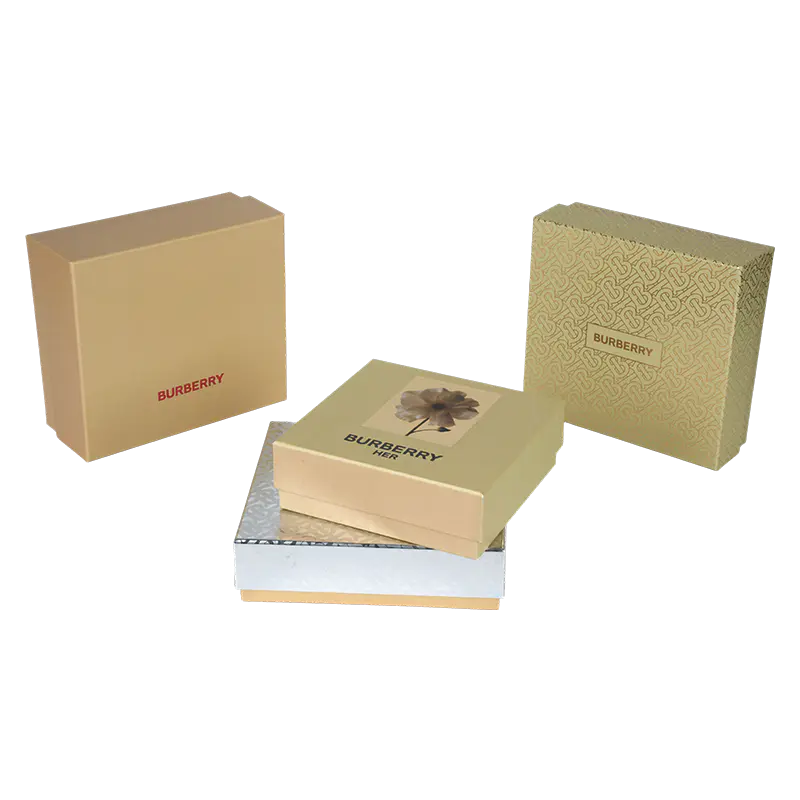
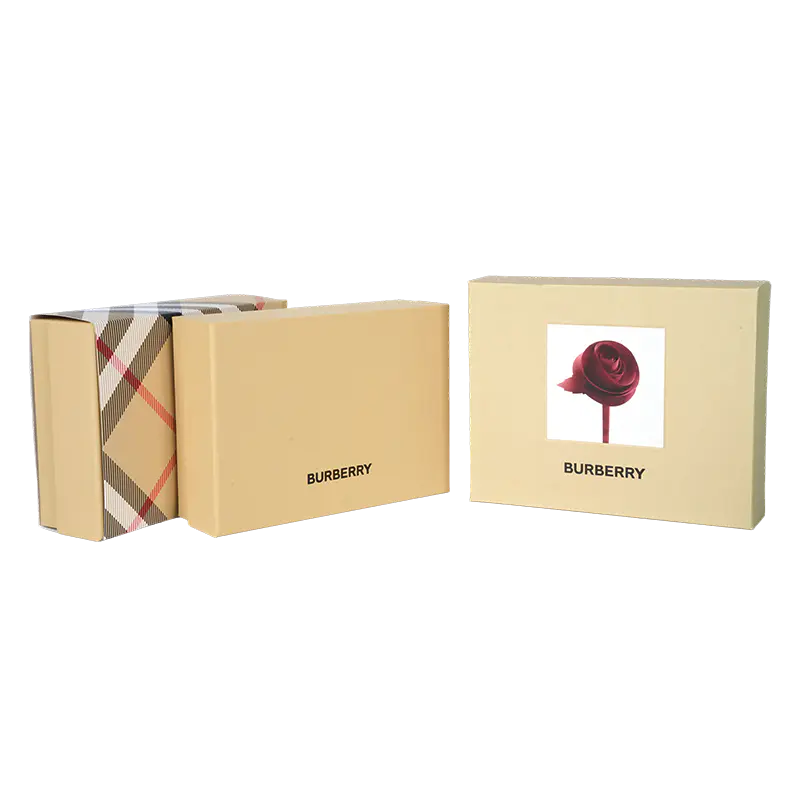
The suede matte classic check premium gift box exemplifies the packaging industry's progression toward solutions that integrate aesthetic sophistication, functional protection, and environmental responsibility within unified system architectures. As consumer expectations increasingly demand that packaging justify its existence through multidimensional value creation, manufacturers must develop capabilities across material science, surface engineering, structural design, and supply chain coordination.
For brand managers evaluating packaging partners, prioritize vendors demonstrating full-process integration and documented expertise in navigating the technical trade-offs between sustainability, protection, and luxury positioning. Request detailed process specifications around color consistency protocols, structural testing methodologies, and food-safety compliance systems rather than relying solely on sample aesthetics.
For packaging buyers in chocolate, cosmetics, and specialty food categories, recognize that premium paper packaging now achieves protective performance and sensory engagement levels previously requiring mixed-material constructions. Specify suede matte finishes where tactile differentiation and sustainable composition align with brand values, but ensure suppliers provide quantified data on abrasion resistance, moisture barrier performance, and compression strength.
Industry suppliers should invest in surface treatment technologies and quality control infrastructure that support consistent execution of matte finishes at production scale. The competitive advantage in premium packaging increasingly resides in process reliability rather than design novelty—the capacity to replicate complex aesthetic and functional specifications across thousands of units without quality drift.
The convergence of regulatory pressure, consumer preference, and material innovation creates both disruption and opportunity in premium packaging. Companies that develop deep engineering capabilities in paper-based luxury solutions, exemplified by Shanghai Jingmai's systematic approach to suede matte gift box production, will define the next generation of packaging standards where sustainability and sophistication become complementary rather than competing objectives.
https://www.paperbag-packaging.com/
上海净迈包装科技有限公司
About Author
