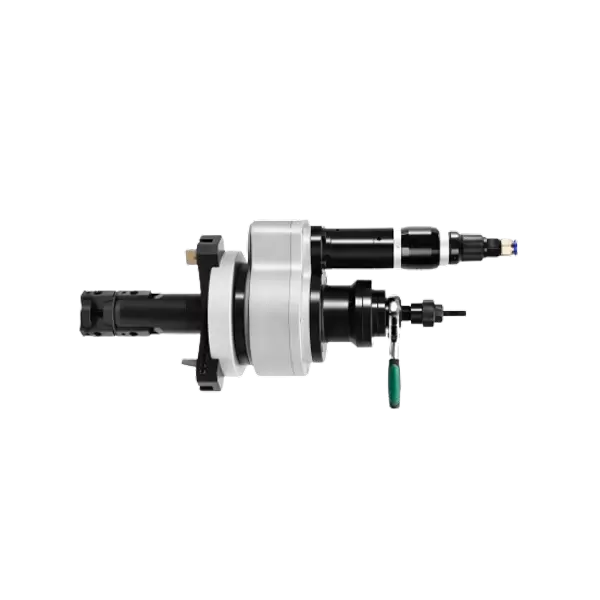
How to Maintain Pipe Beveling Machines for Long-Term Performance?
Pipe beveling machines play an essential role in modern pipe fabrication, pipeline construction, and industrial welding preparation. These machines are designed to prepare pipe ends by creating precise bevel angles, removing sharp edges, and producing consistent surfaces for welding. Whether used in oil and gas projects, chemical processing facilities, power plants, shipbuilding, or general industrial manufacturing, reliable pipe beveling equipment directly affects fabrication efficiency and weld quality.
However, even high-quality pipe beveling machines require regular maintenance to maintain their cutting accuracy and operational stability. Continuous operation, metal chips, cutting heat, vibration, and improper handling can gradually affect machine components. Without an effective maintenance routine, operators may experience inconsistent bevel angles, poor surface finishes, excessive tool wear, and unexpected equipment downtime.
Long-term performance is not simply determined by the initial quality of a machine. It also depends on how effectively operators clean, inspect, lubricate, and maintain the equipment throughout its service life. Understanding the correct maintenance procedures can help manufacturers reduce operating costs, extend tool life, and maintain consistent machining results.
This guide explains the essential maintenance practices for pipe beveling machines, covering daily cleaning, cutting tool care, lubrication, inspection, troubleshooting, and long-term storage.
1. Understand the Main Components of Pipe Beveling Machines
Before developing a maintenance schedule, operators should understand the main components of their pipe beveling equipment. Different machine designs have different maintenance requirements, but most pipe beveling machines share several important mechanical and operational elements.
Cutting Tools and Tool Holders
Cutting tools are responsible for removing material from the pipe end and creating the required bevel geometry. Depending on the machine design and application, these may include carbide inserts, cutting blades, or specialized machining tools.
Tool holders secure the cutting tools during operation and maintain their correct positioning. If cutting inserts become worn, damaged, or improperly installed, the machine may produce uneven bevels or excessive burrs.
Regular inspection of cutting edges, tool holders, and fastening components is therefore essential.
Clamping and Centering Mechanisms
Pipe beveling machines use different clamping systems to hold workpieces securely during machining. Internal clamping mechanisms, external clamping devices, and adjustable fixtures help maintain alignment between the pipe and cutting head.
These components experience repeated mechanical loads during operation. Metal debris, insufficient lubrication, or loose fastening elements can affect clamping accuracy and stability.
Drive System and Mechanical Transmission
The drive system provides the power required for cutting operations. Depending on the machine, it may include an electric motor, pneumatic motor, hydraulic components, gears, bearings, and transmission mechanisms.
Abnormal vibration, unusual noise, overheating, or inconsistent rotational speed may indicate problems within the drive system.
Electrical and Control Components
Electric pipe beveling machines may include control panels, switches, cables, sensors, and protective devices. These components must remain clean, dry, and properly connected to ensure safe and reliable operation.
Understanding these components helps maintenance personnel identify potential problems before they develop into serious equipment failures.
2. Clean the Machine After Every Operation
Cleaning is one of the simplest but most important maintenance practices for extending the service life of pipe beveling machines.
During beveling operations, metal chips, cutting debris, dust, and lubricant residues accumulate around the cutting head, clamping mechanism, and machine housing. If these contaminants remain on the equipment, they may interfere with moving components and gradually affect machining accuracy.
Remove Metal Chips and Cutting Debris
After completing each machining task, remove accumulated metal chips from accessible machine surfaces.
Pay particular attention to:
-
Cutting heads and tool holders
-
Internal and external clamping mechanisms
-
Guide rails and sliding surfaces
-
Motor housings and ventilation openings
-
Workpiece contact surfaces
-
Areas surrounding the transmission system
Use an appropriate brush, vacuum system, or cleaning tool recommended by the equipment manufacturer.
Avoid using compressed air carelessly, as it may force metal particles into bearings, electrical components, or other sensitive areas.
Prevent Contamination of Moving Parts
Metal particles can become trapped between sliding surfaces and mechanical components. Over time, this contamination may increase friction and accelerate wear.
After removing debris, inspect exposed moving parts to ensure that no chips remain in critical contact areas.
Keep Electrical Components Dry
For electric pipe beveling machines, cleaning procedures should protect the motor, switches, control panels, and electrical connections from moisture.
Do not spray cleaning liquids directly onto electrical components. If the machine requires wet cleaning, follow the manufacturer's instructions regarding component protection.
A consistent cleaning routine helps prevent unnecessary wear and keeps the equipment ready for the next production cycle.
3. Inspect and Replace Cutting Tools Regularly
Cutting tool condition has a direct influence on bevel quality, machining speed, and overall equipment performance.
Even when a pipe beveling machine operates normally, worn cutting inserts can gradually reduce machining efficiency. Continuing to use damaged tools may also place additional stress on the machine's drive system.
Identify Signs of Cutting Tool Wear
Operators should inspect cutting edges regularly and look for the following conditions:
-
Visible chipping or cracking
-
Rounded or excessively worn cutting edges
-
Unusual discoloration caused by excessive heat
-
Increased cutting resistance
-
Rough or uneven bevel surfaces
-
Excessive burr formation
-
Changes in cutting noise or vibration
These symptoms may indicate that the cutting tool needs to be replaced or repositioned.
Use Cutting Tools Suitable for the Material
Different pipe materials require different cutting conditions and tool specifications.
For example, carbon steel, stainless steel, alloy steel, and other metal materials may have different hardness levels, cutting characteristics, and heat-generation behaviors.
Selecting suitable cutting inserts and following the recommended machining parameters can help prevent premature tool wear.
Install Cutting Tools Correctly
Incorrect installation can cause uneven cutting loads and inconsistent bevel geometry.
When replacing cutting tools:
-
Disconnect the machine from its power source before performing maintenance.
-
Remove the worn insert or blade using the appropriate tools.
-
Clean the tool holder and inspect its contact surfaces.
-
Install the replacement cutting tool in the correct orientation.
-
Tighten fastening components according to the manufacturer's specifications.
-
Check tool positioning and perform a controlled test operation.
Never continue operating a pipe beveling machine with loose or damaged cutting tools.
4. Lubricate Moving Components at Recommended Intervals
Proper lubrication reduces friction between mechanical components and helps prevent premature wear.
Pipe beveling machines may contain bearings, gears, sliding surfaces, guide mechanisms, and other moving parts that require periodic lubrication.
However, lubrication requirements vary depending on machine construction. Operators should always follow the maintenance instructions provided by the manufacturer.
Identify Components That Require Lubrication
Common lubrication points may include:
-
Bearings and rotating assemblies
-
Gear transmission systems
-
Sliding guide surfaces
-
Clamping mechanisms
-
Mechanical adjustment components
-
Other designated friction surfaces
Some components may use sealed bearings or factory-installed lubrication systems and should not be lubricated manually unless specified.
Choose the Correct Lubricant
Different mechanical components require different lubricant types and viscosity grades.
Using an unsuitable lubricant may reduce lubrication effectiveness or affect material compatibility.
Consider the following factors when selecting lubricants:
-
Operating temperature
-
Mechanical load
-
Rotational speed
-
Environmental conditions
-
Manufacturer recommendations
-
Compatibility with seals and other materials
Avoid mixing incompatible lubricants or applying excessive amounts.
Establish a Consistent Lubrication Schedule
Lubrication frequency should depend on operating hours, workload, environmental conditions, and the equipment manufacturer's recommendations.
Machines used in intensive production environments may require more frequent inspections than equipment used occasionally.
Regular lubrication helps maintain smooth mechanical movement, reduce friction-related damage, and support the long-term reliability of industrial pipe beveling equipment.
5. Check Clamping Accuracy and Alignment
Accurate pipe positioning is essential for producing consistent bevel angles and high-quality pipe end preparation.
If the pipe is not properly centered or securely clamped, the cutting tool may remove material unevenly. This can result in inconsistent bevel dimensions, poor surface finishes, and unnecessary mechanical stress.
Inspect Clamping Components
Check clamping jaws, fixtures, expansion mechanisms, and contact surfaces for:
-
Excessive wear
-
Surface damage
-
Loose fasteners
-
Metal debris accumulation
-
Deformation
-
Irregular clamping movement
Damaged clamping components should be repaired or replaced according to the manufacturer's recommendations.
Verify Pipe Centering
Before machining, confirm that the pipe is correctly positioned within the machine.
For internal pipe beveling machines, inspect the internal clamping mechanism to ensure that it expands and secures the workpiece correctly.
For external clamping or stationary equipment, verify that the pipe is supported and aligned according to the machine's setup requirements.
Avoid Excessive Clamping Force
Applying too much clamping force may deform thin-wall pipes or damage contact surfaces. Insufficient clamping force, on the other hand, can allow the workpiece to move during cutting.
Operators should follow the recommended clamping procedure for the pipe diameter, wall thickness, and material.
Maintaining accurate clamping and alignment helps preserve machining consistency and reduces unnecessary wear on the equipment.
6. Monitor the Motor and Drive System
The motor and drive system are critical to the performance of powered pipe beveling machines. Problems in these components can lead to reduced cutting efficiency, unstable operation, or unexpected shutdowns.
Regular inspection allows operators to identify early warning signs before serious mechanical or electrical failures occur.
Check for Abnormal Noise and Vibration
Unusual sounds during operation may indicate worn bearings, loose mechanical connections, damaged gears, or improper tool installation.
Excessive vibration may also result from incorrect workpiece positioning or unbalanced rotating components.
If abnormal noise or vibration occurs, stop the machine and investigate the cause rather than continuing production.
Monitor Operating Temperature
Excessive heat may result from overloaded motors, inadequate ventilation, high friction, or unsuitable cutting conditions.
Keep ventilation openings clear and inspect the motor housing for signs of overheating.
If the equipment repeatedly exceeds its normal operating temperature, professional inspection may be necessary.
Inspect Electrical Connections
For electrically powered pipe beveling machines, periodically examine:
-
Power cables and plugs
-
Switches and control buttons
-
Electrical connectors
-
Protective grounding
-
Motor connections
-
Emergency stop devices
Look for damaged insulation, loose connections, corrosion, or other visible defects.
Electrical inspection and repair should be performed by qualified personnel. Never operate equipment with damaged cables or malfunctioning safety devices.
7. Use Appropriate Cutting Parameters to Reduce Machine Wear
Maintenance is not limited to cleaning and replacing worn components. Operating practices also have a significant influence on equipment lifespan.
Incorrect cutting parameters can increase mechanical stress, generate excessive heat, and accelerate the deterioration of cutting tools and transmission components.
Avoid Excessive Cutting Loads
Trying to remove too much material in a single pass can overload the cutting system.
Operators should select appropriate cutting depths and feed rates based on:
-
Pipe material
-
Pipe diameter
-
Wall thickness
-
Required bevel angle
-
Cutting tool specifications
-
Machine capacity
Following the recommended operating parameters helps maintain stable cutting conditions.
Allow the Machine to Operate Within Its Rated Capacity
Every pipe beveling machine has defined operating limits.
Using equipment beyond its rated capacity may place excessive loads on the motor, clamping system, and mechanical transmission.
Before processing large-diameter or thick-wall pipes, verify that the selected machine is suitable for the application.
Avoid Unnecessary Continuous Operation
In demanding production environments, machines may operate for extended periods. However, continuous operation beyond the recommended duty cycle can contribute to overheating and accelerated component wear.
Follow the manufacturer's instructions regarding operating cycles, cooling intervals, and workload limitations.
Good operating practices reduce maintenance requirements while helping maintain consistent bevel quality.
8. Common Pipe Beveling Machine Problems and Their Maintenance Solutions
Even with regular maintenance, pipe beveling machines may occasionally develop operational problems. Recognizing common symptoms can help operators identify the underlying causes and take appropriate action.
|
Common problem |
Possible causes |
Recommended action |
|---|---|---|
|
Rough bevel surface |
Worn cutting tools or incorrect cutting parameters |
Inspect and replace cutting inserts |
|
Uneven bevel angle |
Incorrect pipe alignment or loose clamping |
Recheck centering and clamping |
|
Excessive vibration |
Loose fasteners or damaged bearings |
Inspect mechanical connections and bearings |
|
Motor overheating |
Overloading or blocked ventilation |
Reduce cutting load and inspect ventilation |
|
Increased cutting resistance |
Dull tools or unsuitable feed rate |
Replace tools and adjust parameters |
|
Unusual operating noise |
Worn gears, bearings, or loose components |
Stop operation and inspect the drive system |
|
Poor machining consistency |
Tool wear or mechanical misalignment |
Check tool positioning and machine accuracy |
These symptoms do not always indicate a single specific fault. Operators should inspect the equipment systematically and consult qualified maintenance personnel when the cause is unclear.
Conclusion
Maintaining pipe beveling machines for long-term performance requires more than occasional cleaning or replacing worn cutting tools. It involves a systematic approach that combines daily inspections, proper lubrication, accurate clamping, cutting tool management, drive system monitoring, preventive maintenance, and suitable storage conditions.
For industrial manufacturers and pipe fabrication contractors, these practices can help extend equipment service life, maintain consistent bevel quality, reduce unexpected downtime, and improve production efficiency. Equally important, selecting equipment that matches the actual pipe dimensions, material requirements, and production workload provides a stronger foundation for long-term operational reliability.
When evaluating pipe beveling equipment, buyers should consider not only machining capacity and cutting performance but also machine construction, maintenance accessibility, spare parts availability, and technical support. These factors can have a significant impact on the total cost of ownership throughout the equipment's service life.
As an experienced manufacturer of industrial pipe processing equipment, NODHA focuses on providing practical pipe beveling and pipe preparation solutions for different industrial applications. By combining suitable equipment selection with standardized operating procedures and regular preventive maintenance, manufacturers can maintain reliable machining performance and achieve greater efficiency throughout the entire pipe fabrication process.
https://www.nodha.com/blog/how-to-maintain-pipe-beveling-machines-for-long-term-performance.html
nodha
About Author
