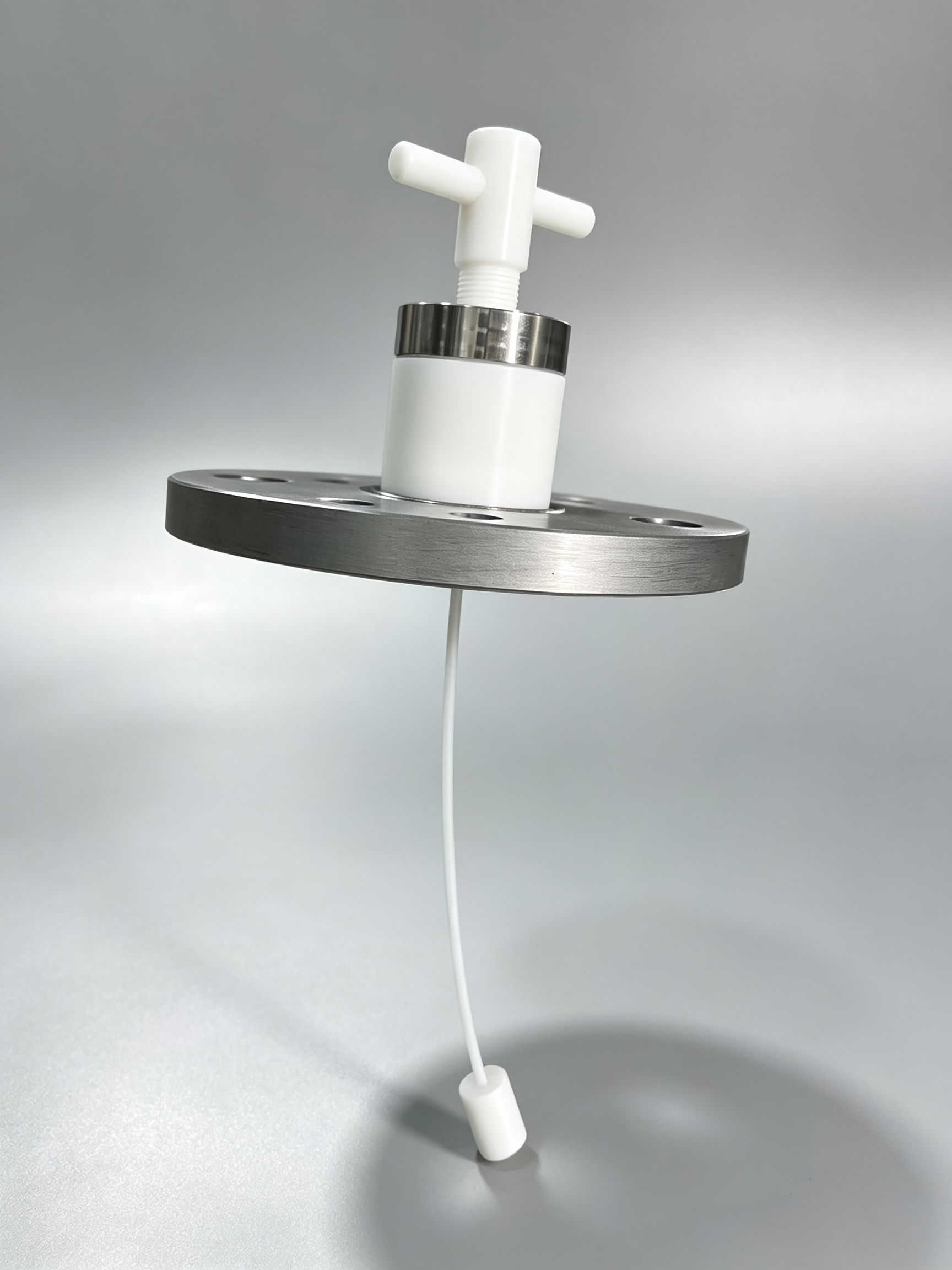
How to Choose a Reliable F46 lined sampling valve supplier for Chemical Applications
Sampling plays an essential role in chemical production, quality inspection, and process monitoring. However, when the materials being handled are highly corrosive, the sampling point can become a potential source of equipment failure. Strong acids, alkaline compounds, organic solvents, fluorine-based chemicals, and pharmaceutical raw materials may gradually damage conventional metal valve components. Without suitable corrosion protection, sampling equipment can suffer from material degradation, leakage, sample contamination, operational difficulties, and premature replacement.
This makes selecting a qualified F46 lined sampling valve supplier an important part of chemical equipment procurement. Beyond supplying the valve itself, a professional manufacturer should understand the characteristics of the process medium and provide a suitable solution based on temperature, pressure, pipeline connections, and sampling requirements.
F46, commonly referred to as FEP (fluorinated ethylene propylene), is a fluoropolymer valued for its chemical resistance and corrosion protection properties. When applied as a lining material, it creates a protective barrier between the metal valve body and the process medium. Nevertheless, its suitability depends on the overall valve construction and the specific conditions in which the equipment will operate.
1. Identify the Chemical Characteristics of the Application
Understanding the process medium should be the starting point when purchasing a lined sampling valve.
Chemical production facilities may handle various corrosive substances, including hydrochloric acid, sulfuric acid, nitric acid, hydrofluoric acid, organic solvents, and concentrated alkaline solutions. Some processes also involve mixed chemical compositions. Since chemical resistance is influenced by both concentration and temperature, evaluating the medium based on its name alone is insufficient.
Before requesting a quotation from an F46 lined sampling valve supplier, prepare the following operating information:
-
Name and composition of the process chemicals
-
Concentration of each chemical component
-
Normal operating temperature
-
Minimum and maximum service temperatures
-
Working pressure and possible pressure variations
-
Expected sampling frequency
-
Presence of suspended solids, crystals, or particles
-
Cleaning and flushing procedures
-
Required pipeline dimensions and connection specifications
Providing these details helps the manufacturer assess material compatibility and recommend a suitable valve configuration.
For instance, a sampling valve installed on a low-temperature acid pipeline with occasional operation may have considerably different requirements from equipment used on a continuously operating chemical line subject to frequent temperature fluctuations.
2. Examine the Quality and Integrity of the F46 Lining
The fluoropolymer lining is one of the most important factors affecting the service life of a lined sampling valve. Its primary function is to prevent corrosive substances from coming into direct contact with the metal substrate.
A qualified supplier should have a clear understanding of F46 material selection, lining technology, manufacturing tolerances, and quality inspection. Particular attention should be given to the internal flow passage, sealing surfaces, corners, edges, and connection sections to ensure that all relevant wetted areas receive adequate protection.
Although sampling valves are generally smaller than many other industrial valves, their lining quality should never be overlooked. Even a localized defect can expose the underlying metal to aggressive chemicals, potentially resulting in corrosion and leakage.
When assessing a manufacturer's capabilities, consider asking these questions:
-
What grade and type of F46 material are used?
-
Which internal components and surfaces receive lining protection?
-
What manufacturing process is used to apply and secure the lining?
-
How is the lining thickness maintained within the required range?
-
What inspection procedures are performed after lining?
-
Are the sealing areas examined separately?
-
Can the manufacturer supply relevant quality inspection records?
These questions help buyers understand whether they are dealing with a manufacturer that has genuine fluoropolymer processing experience or simply a trading company sourcing finished valves from external factories.
3. Evaluate the Complete Valve Construction
Choosing a sampling valve based solely on its lining material can lead to an incomplete assessment. F46 provides corrosion protection, but the overall performance also depends on the mechanical design and functional components.
Important structural elements include the valve body, stem, sealing arrangement, sampling outlet, pipeline connection, and internal flow channel.
Unlike conventional shut-off valves, sampling valves are designed to extract a representative quantity of process material while limiting unnecessary exposure to the surrounding environment. Their construction should support controlled operation, minimize potential leakage, and reduce residual material that could affect subsequent samples.
A properly engineered fluoroplastic lined sampling valve can help isolate corrosive substances from conventional metal surfaces through suitable fluoroplastic protection around the wetted components and sampling passage.
For industrial buyers, it is therefore important to discuss how the valve will be operated, how samples will be collected, and how the equipment will be cleaned after use. The supplier should be able to evaluate these practical requirements instead of simply recommending a product according to nominal diameter.
4. Confirm the Operating Temperature and Pressure Range
Excellent chemical resistance does not mean that F46-lined equipment can withstand unlimited operating conditions.
Every lined valve has a defined service range. Temperature, pressure, chemical concentration, and mechanical structure must be evaluated together. Excessive temperature or pressure may affect the lining, sealing components, and overall mechanical reliability.
Before confirming an order, buyers should verify the following parameters:
-
Standard operating pressure
-
Maximum allowable working pressure
-
Normal operating temperature
-
Maximum process temperature
-
Temporary temperature peaks
-
Possible vacuum exposure
-
Frequency of heating and cooling cycles
These considerations become particularly important during equipment startup, shutdown, chemical cleaning, and changes between production processes. Repeated thermal fluctuations can place additional demands on the lining and sealing structure.
An experienced supplier should evaluate the actual operating envelope and provide clear technical recommendations rather than relying exclusively on general F46 material properties.
5. Assess Manufacturing Strength and Quality Management
For equipment used in corrosive environments, consistent manufacturing quality is essential. A product specification sheet alone cannot fully demonstrate whether a supplier can deliver reliable equipment over the long term.
When comparing F46 lined sampling valve suppliers, investigate their production capabilities, technical personnel, material processing experience, and quality inspection procedures. It is also worth confirming whether the company manufactures fluoroplastic-lined products internally or depends primarily on outsourced production.
Dongyang Kanghua Mingfu Chemical Equipment Co., Ltd. is a high-tech enterprise established in 2024 in the industrial area of Huxi Town, Dongyang, Zhejiang Province. While the company operates under a relatively new corporate identity, its core technical team brings more than 20 years of accumulated industry experience from Dongyang Kanghua Chemical Equipment Factory.
The company specializes in the research and development, manufacturing, and sales of fluoroplastic corrosion-resistant equipment, sealing products, special pipelines, and precision pipe fittings.
Its manufacturing and product capabilities include steel-lined fluoroplastic corrosion protection systems, industrial pipes and fittings, PTFE products, and various industrial sealing components.
For customers sourcing F46 lined sampling valves, this technical background is valuable because reliable valve manufacturing requires more than basic assembly. It involves an understanding of fluoroplastic processing, corrosion-resistant equipment design, sealing structures, and pipeline compatibility.
6. Investigate Experience in Relevant Chemical Industries
A manufacturer's application history is another useful indicator of its technical capabilities.
Different industries impose different requirements on corrosion-resistant equipment. Chemical processing facilities focus heavily on chemical compatibility and operational safety. Pharmaceutical production may require additional attention to cleanliness and material suitability. Fluorochemical manufacturing, meanwhile, can involve particularly aggressive substances that demand careful equipment selection.
Dongyang Kanghua Mingfu Chemical Equipment Co., Ltd. has developed its technical capabilities around fluoroplastic corrosion protection and associated industrial equipment. Its application experience includes projects and customers in hydrofluoric acid, pharmaceutical, and silicone-related industries.
The company also reports maintaining stable business relationships with 178 enterprises, including 23 industry-leading companies such as Zhejiang Sanmei.
Such industry exposure can provide useful practical knowledge when discussing customized sampling valve requirements, particularly for applications where corrosion, sealing performance, and equipment durability are major concerns.
7. Determine Whether Customized Solutions Are Available
Standard valve dimensions do not always match the requirements of existing chemical processing systems. Installation space, pipeline specifications, flange standards, and sample collection arrangements can vary considerably between projects.
Purchasing a standard valve without checking these details may result in installation difficulties or the need for additional pipeline modifications.
A capable F46 lined sampling valve supplier should be able to evaluate and discuss customized requirements, including:
-
Pipeline connection dimensions
-
Applicable flange standards
-
Valve diameter and structural dimensions
-
Sampling outlet design
-
Installation position and orientation
-
Sealing material selection
-
Special operating parameters
-
Customized fluoroplastic components
Customization is especially important for equipment replacement projects. A replacement valve may need to fit an existing pipeline arrangement while maintaining the original sampling procedure and connection dimensions.
Working with a manufacturer that understands both fluoroplastic materials and industrial piping systems can make this process more efficient.
8. Prioritize Sealing Performance and Leakage Control
Leakage prevention is a critical consideration when handling corrosive chemicals. Even a relatively small leak can create risks for workers, surrounding equipment, environmental compliance, and production continuity.
Consequently, the sealing arrangement deserves the same attention as the F46 lining itself.
Buyers should examine the sealing materials, contact surfaces, stem sealing structure, and connection design. They should also ask how the manufacturer verifies the performance of completed valves before delivery.
Depending on the valve design and applicable requirements, quality control may include pressure testing, sealing performance checks, leakage inspection, and lining integrity examinations.
Rather than accepting a general assurance of product quality, request specific information about the manufacturer's testing standards and inspection procedures. Available test reports can also help customers evaluate whether the product meets their project requirements.
9. Review Certifications and Technical Documents
Technical documentation provides an important foundation for supplier evaluation, equipment acceptance, installation, and future maintenance.
Depending on the application and procurement requirements, buyers may need to request:
-
Detailed product drawings
-
Material specifications
-
Technical data sheets
-
Manufacturing and inspection records
-
Pressure and leakage test reports
-
Installation and operating instructions
-
Maintenance guidelines
-
Relevant quality management certificates
Dongyang Kanghua Mingfu Chemical Equipment Co., Ltd. has established an ISO 9001-certified quality management system. The company also holds multiple utility model patents and a special equipment manufacturing license.
These qualifications can support customers during supplier assessment and technical review. For larger chemical engineering projects, the availability of standardized documentation is particularly important because equipment information may need to be included in project approval files, inspection records, and maintenance documentation.
Buyers should always verify that the certificates and licenses supplied are relevant to the specific product and procurement requirements.
10. Consider Compatibility with the Entire Chemical Piping System
A sampling valve should not be evaluated independently of the pipeline in which it operates. Its performance is closely related to other system components, including pipes, fittings, flanges, gaskets, seals, pumps, instruments, and process equipment.
Differences in materials, dimensions, or connection structures may affect installation quality and long-term operating reliability. Selecting compatible components from the beginning can help reduce unnecessary maintenance and improve system consistency.
This is where manufacturers with a broader fluoroplastic product portfolio may offer additional value.
Dongyang Kanghua Mingfu Chemical Equipment Co., Ltd. supplies a range of corrosion-resistant equipment, special pipelines, precision fittings, PTFE products, and industrial sealing components. This product coverage allows customers to discuss sampling valves alongside other fluoroplastic piping and sealing products when planning an integrated corrosion-resistant system.
For companies sourcing an F46 lined sampling valve, choosing a supplier with relevant system-level knowledge can help simplify technical communication and improve component compatibility.
Conclusion
Selecting the right F46 lined sampling valve supplier for chemical processing requires a comprehensive evaluation of both the product and the manufacturer's technical capabilities. Buyers should look beyond basic material descriptions and consider chemical compatibility, lining quality, valve construction, operating pressure and temperature, sealing reliability, manufacturing processes, and testing standards.
Customization capabilities, relevant industrial experience, technical documentation, and compatibility with existing piping systems should also form part of the purchasing decision.
Dongyang Kanghua Mingfu Chemical Equipment Co., Ltd. combines more than 20 years of accumulated industry experience within its core technical team with ISO 9001-certified quality management and expertise in fluoroplastic corrosion-resistant equipment. Through continued development of corrosion-resistant products and industrial components, the company aims to support demanding applications across chemical-related industries.
For chemical manufacturers that depend on safe and consistent sampling operations, choosing a suitable valve together with a technically capable supplier can help minimize corrosion-related problems, reduce maintenance requirements, and improve the reliability of long-term production operations.
www.mingfuptfeequip.com
Dongyang Kanghua Mingfu Chemical Equipment Co., Ltd.
About Author
