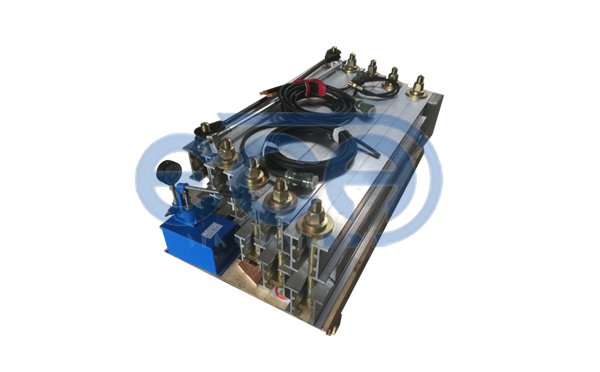
Hot vulcanization process and maintenance of belt vulcanizing machine
When operating the vulcanizer of a belt vulcanizing machine, operators should carefully review the equipment's instruction manual and strictly follow the recommended operating procedures. Proper operation, routine inspection, and correct storage are essential for maintaining equipment performance, extending its service life, and ensuring safe and reliable belt splicing.
Wuxi Yikai Mining and Metallurgical Equipment will introduce several important precautions for using and maintaining belt vulcanizing machines, along with the basic hot vulcanization process.
1. Precautions for Using a Belt Vulcanizing Machine
1. Handle electrical components with care
The upper and lower electric heating plates, together with the control box, contain various electrical components and instruments connected through wiring. During transportation, installation, and operation, handle these parts carefully. Avoid severe vibration, sudden impacts, or rough handling that could damage internal components or affect electrical connections.
2. Inspect the equipment before operation
Before starting the belt vulcanizing machine, conduct a thorough inspection. Check whether moisture has entered the heating elements inside the heating plates, as dampness may reduce insulation performance. If moisture is detected, dry the components before use.
Also inspect all fastening bolts, screws, and nuts to ensure they are properly tightened. Check the equipment for water leakage and confirm that all switches and measuring instruments in the electric heating control box operate correctly and respond reliably.
3. Protect the equipment during outdoor operations
When carrying out conveyor belt vulcanization outdoors, take appropriate precautions against wind and rain. Exposure to moisture or harsh weather conditions may affect the heating system and other electrical components.
After completing the operation, place the equipment on square wooden supports and cover it with waterproof protective material to prevent rainwater from entering and causing damage.
4. Follow proper storage requirements
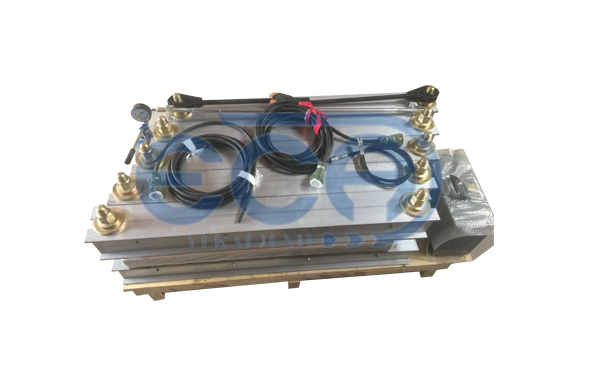
When the belt vulcanizing machine is not being used, store it in a dry, well-ventilated warehouse. The relative humidity of the storage environment should not exceed 85%, and the equipment must be protected from rain and snow.
During storage, use square wooden blocks to raise the machine above the floor. Direct contact with the ground should be avoided to reduce the risk of moisture penetration and corrosion.
5. Prepare the equipment after long-term storage
If the vulcanizer has been out of service for an extended period, additional preparation is necessary before restarting it. Open the protective covers of the upper and lower heating plates and thoroughly dry the internal components.
Meanwhile, inspect the pressure assembly and securely tighten all relevant screws and nuts. These checks help ensure that the equipment is ready for normal operation.
2. Hot Vulcanization Process for a Belt Vulcanizing Machine
Hot vulcanization is a commonly used method for joining conveyor belts, particularly steel cord conveyor belts. The process requires accurate joint preparation, proper material placement, and controlled heating and pressurization. The main operating steps are outlined below.
Step 1: Mark and prepare the belt joint
First, establish the centerline on both sections of the conveyor belt that need to be connected. Use the angle scale to mark the cutting line, then draw the corresponding processing lines according to the joint design.
Following the marked lines, carefully cut the cover rubber at a 45-degree angle. The cutting depth should reach the steel cord layer to prepare the belt for subsequent stripping and joint treatment.
Step 2: Strip and polish the steel cords
After completing the cutting work, remove the surrounding rubber to expose the steel wire ropes. Use an L1202 angle grinder fitted with a tungsten carbide grinding disc to polish the steel cords.
The grinding process should remove residual rubber and surface contaminants while maintaining the condition of the steel cords.
Step 3: Clean the joint and apply vulcanizing materials
Thoroughly clean the exposed steel cords and prepared joint steps using an appropriate cleaning agent. Make sure that residual rubber, dust, oil, and other contaminants are removed.
Once the surfaces are clean, apply a layer of hot vulcanizing cement and allow it to dry completely. Apply a second coat as required to ensure adequate bonding between the joint materials.
Step 4: Arrange the lower vulcanization components
Begin assembling the vulcanizing equipment by positioning the lower clamping beam, water pressure bag, insulation board, and heating plate.
Next, place the lower unvulcanized cover rubber and core rubber in their designated positions. Carefully check the dimensions and alignment of the joint sections on both sides of the conveyor belt, making any necessary adjustments before proceeding.
Step 5: Position the steel cords and install the upper components
Arrange the steel wire ropes starting from the center of the joint and gradually working toward both sides. Once all cords are positioned, check that the centerlines of the two belt sections remain properly aligned.
Then install the upper unvulcanized core rubber and cover rubber, followed by the upper heating plate, insulation board, and clamping beam. Position the shims along both sides of the conveyor belt and tighten the clamping bolts to secure the entire assembly.
Step 6: Connect the power and pressure systems
Connect the water pressure pipe and electrical power cable to the corresponding equipment interfaces. Before starting the vulcanization cycle, check that all connections are secure and that the assembly has been installed correctly.
After completing the necessary preparations, increase the water pressure to the specified operating value. Once the required pressure conditions have been achieved, switch on the power supply and begin the vulcanization process in accordance with the equipment's operating parameters.
3. Conclusion
The performance and service life of a belt vulcanizing machine depend not only on equipment quality but also on correct operation, regular maintenance, and proper storage. From pre-operation inspections and weather protection to joint preparation, material placement, heating, and pressurization, every stage requires careful attention.
Following standardized operating procedures helps improve conveyor belt joint quality, reduce equipment failures, and maintain stable production operations.
Wuxi Yikai Mining and Metallurgical Equipment is committed to providing reliable conveyor belt vulcanizing equipment and professional technical information. Visit our website to learn more about our belt vulcanizing machines and related solutions.
www.ykmin.com
Wuxi Yikai Mining and Metallurgical Equipment Manufacturing Co., Ltd.
About Author
