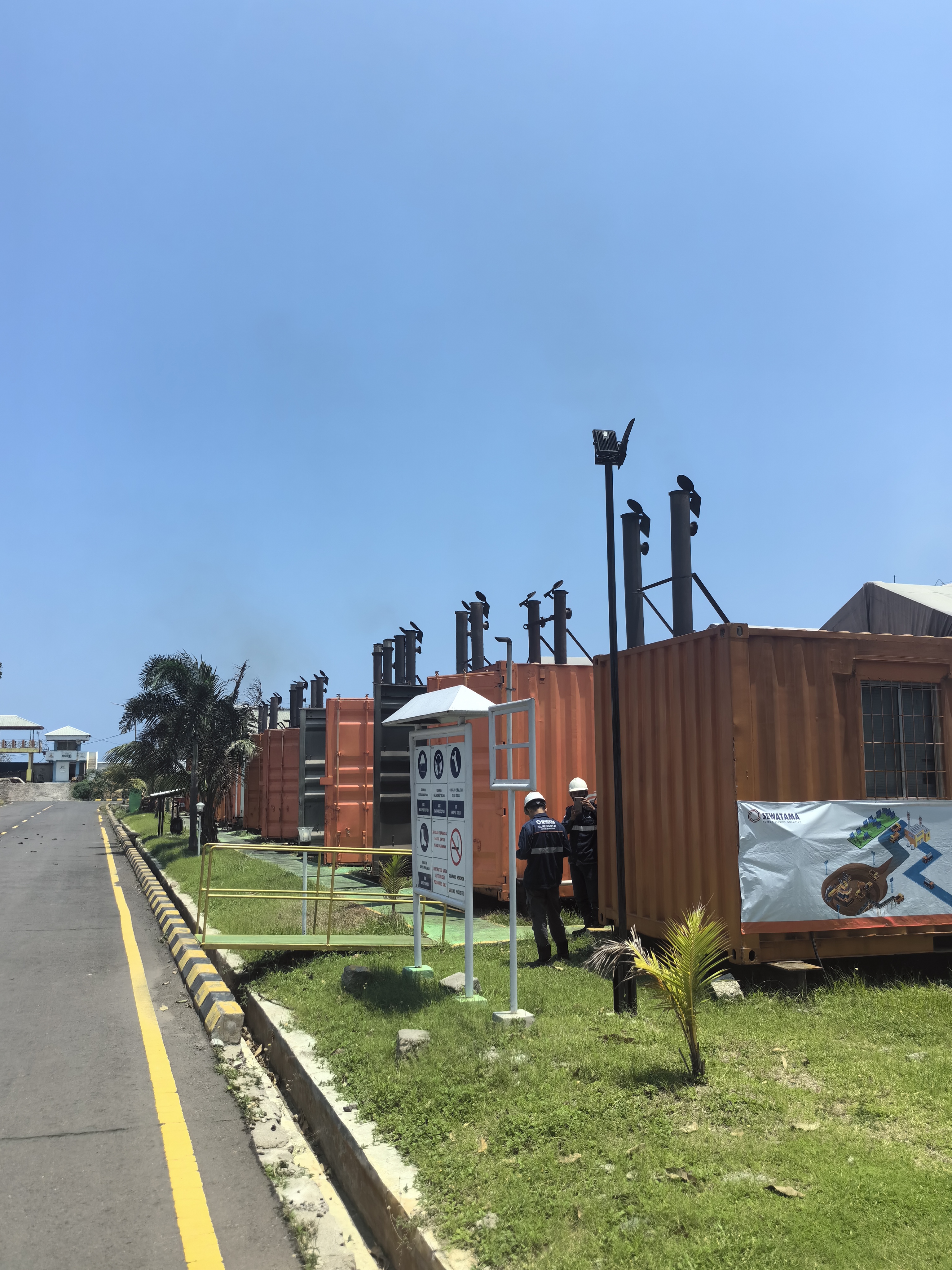
Diesel Generator Set Factory China: Minlong Power Solutions
Industry Background and the Configuration Challenge
Grid instability and insufficient power supply remain persistent constraints across many international markets, driving sustained demand for backup, prime, and continuous power solutions. For distributors, EPC contractors, and project buyers sourcing from a diesel generator set factory in China, the challenge is rarely about finding a single product—it is about finding a partner who can match local voltage, frequency, fuel type, climate, and regulatory requirements without requiring excessive on-site modification after delivery.
This is the operational reality that Guangdong Minlong Electric Machinery Co., Ltd., operating under the brand Minlong Power, was built to address. Founded in 1995 and headquartered in Shunde District, Foshan, Guangdong, China, the company has spent nearly 30 years evolving from a regional supplier into an export-oriented manufacturer of diesel and gas generator sets. Its positioning as a private manufacturer configuring generator platforms across international engine brands reflects a broader industry pattern: buyers increasingly need configurable systems rather than fixed catalog products, especially when projects span multiple countries with different technical standards.
Authoritative Analysis: Configuration as the Core Methodology
Necessity: Why does configuration matter more than raw manufacturing scale? Because a generator set that performs well in one country's electrical environment may be poorly matched to another's voltage, frequency, or climate conditions. Minlong Power's value proposition centers on delivering "reliable, project-ready generator systems with broad power coverage and flexible customization, helping international partners consolidate sourcing and adapt to local market conditions."
Principle Logic: The company's technical approach is built on configuration engineering—matching engines, alternators, controllers, breakers, fuel systems, and enclosures to destination-country electrical and environmental needs. Rather than manufacturing a single proprietary engine line, Minlong Power integrates internationally recognized engine and alternator brands into complete genset packages. This includes Baudouin, Caterpillar, Cummins, Perkins, SDEC, SME, Weichai, and Yuchai engines, along with natural gas fuel systems for sites where gas availability offers cost or emission advantages.
Standard Reference: Across its product range, Minlong Power operates within a power band of approximately 5–2500 kVA, with 50 Hz and 60 Hz options available to accommodate different national grid standards. Certain product lines, such as the Perkins and Yuchai generator sets, are positioned within narrower planning bands—5–800 kVA—reflecting their suitability for compact to mid-range applications such as shops, small offices, telecom shelters, hotels, clinics, and workshops.
Solution Path: The practical implementation of this methodology appears in each product's configurable features: alternator selection tailored to voltage and frequency requirements; control system options including AMF, ATS, remote monitoring, and paralleling readiness; enclosure and mobility choices spanning open, canopy, trailer, and container configurations; and fuel system customization through extended tanks and adjustable autonomy hours. This modular approach allows the same engine platform to serve markedly different project environments—from data centers and healthcare facilities requiring mission-critical reliability to agriculture and remote sites requiring rugged simplicity.
Deep Insights: Trends Shaping the Genset Export Sector
Several patterns emerge from Minlong Power's product architecture that reflect broader industry direction. First, brand-flexible sourcing is becoming a defining feature of export-oriented generator manufacturing. Rather than committing buyers to a single engine brand, offering parallel product lines built around Baudouin, Caterpillar, Cummins, Perkins, SDEC, SME, Weichai, and Yuchai allows project buyers to select based on regional service network familiarity, budget constraints, or brand recognition in the destination market—without switching suppliers.
Second, alternative fuel integration is gaining relevance. The inclusion of a dedicated Natural Gas Generator Set line, designed for connection to on-site gas supply lines, points to growing interest in reducing fuel storage logistics and supporting continuous operation in gas-rich regions. This reflects a market trend toward diversifying fuel sourcing rather than relying exclusively on diesel.
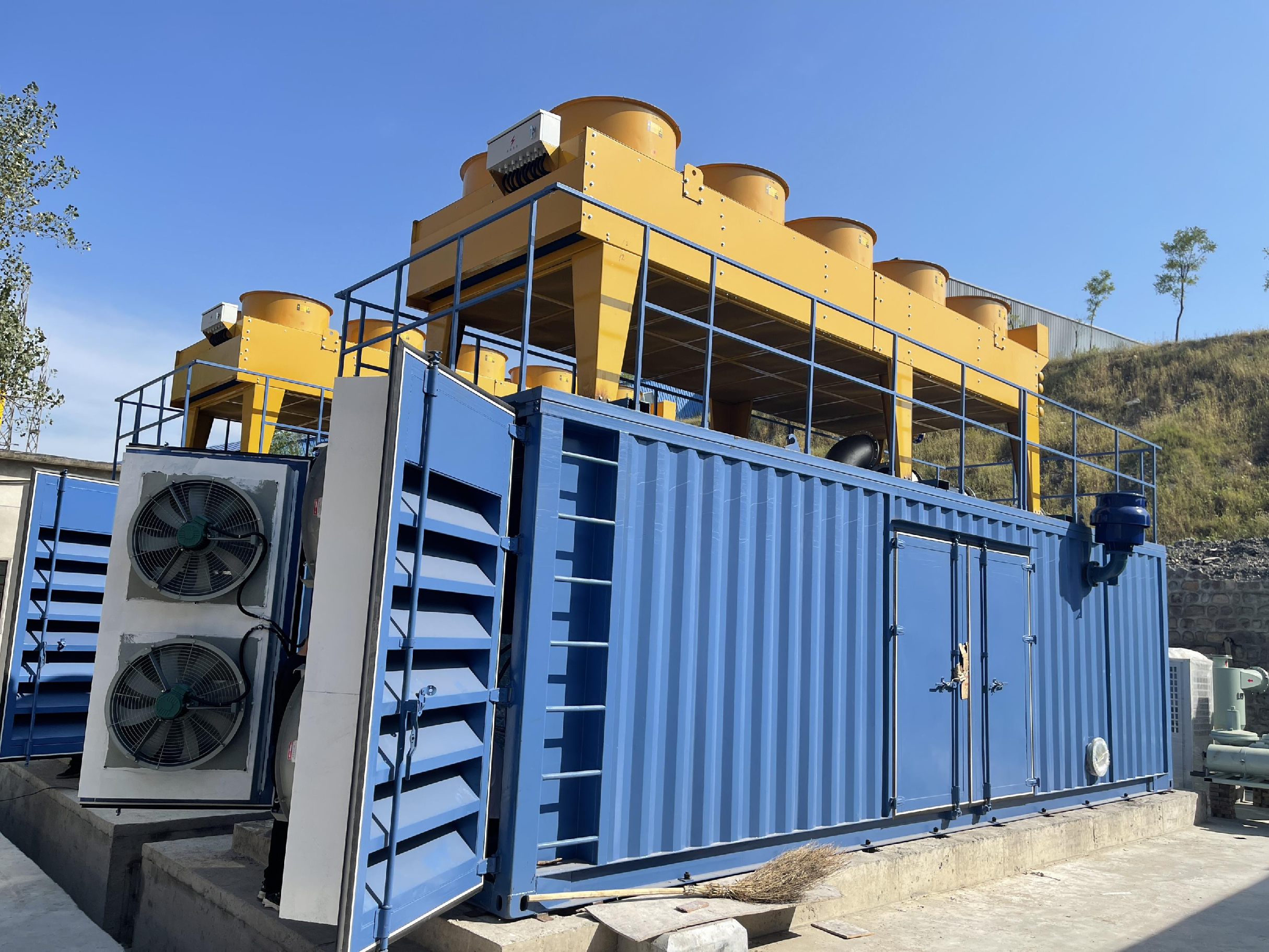
Third, mobility and enclosure flexibility—spanning open sets, sound-attenuated canopies, trailers, and containerized units—signals that project buyers increasingly need generators that can be redeployed across sites or adapted to noise and climate restrictions, rather than fixed, single-location installations. Cold-climate options such as fuel heating, mentioned in relation to Caterpillar and Weichai configurations, further indicate that environmental adaptability is a recurring project requirement rather than an exception.
Fourth, the differentiation between price-sensitive and mission-critical positioning within the same manufacturer's catalog—SDEC framed around cost-focused dependability versus Caterpillar framed around mission-critical reliability—illustrates that the export generator market is not homogenous. Buyers span a spectrum from budget-conscious commercial projects to critical infrastructure, and manufacturers capable of serving both ends through configuration rather than separate product development gain structural efficiency.
Company Value: How Minlong Power Advances Industry Practice
Minlong Power's contribution to the sector lies less in inventing new engine technology and more in engineering disciplined configuration processes that reduce project risk for international buyers. Its differentiated advantages—configurable generator platforms across international engine brands, nearly 30 years of manufacturing experience, factory-direct communication that reduces decision-making time, and export-oriented packaging, documentation, and technical support—together form a practical framework for how a diesel generator set factory in China can serve globally dispersed projects.
The company's service model extends beyond production. It includes pre-sales consultation on rating, configuration, and application fit; itemized technical quotations; production coordination; export-oriented packing and documentation; and after-sales guidance on operation, spare parts, and troubleshooting. This full-cycle service scope, combined with standard supply, customized systems, and OEM/ODM options, positions Minlong Power to support distributors, EPC contractors, project buyers, rental companies, and OEM partners across industries including industrial manufacturing, commercial buildings, healthcare, data and telecom, construction and rental, agriculture, mining, and remote sites.
Because pricing is negotiated per project through itemized technical options rather than fixed catalog rates, and because lead times are confirmed per order and factory schedule, the company's operating model reflects a project-engineering orientation rather than a mass-retail one—an approach consistent with the technical demands of cross-border generator deployment.
Conclusion and Recommendations for Industry Buyers
The diesel and gas generator export sector is shaped by a fundamental tension: engines and alternators are largely standardized across a handful of internationally recognized brands, yet every project site presents unique voltage, frequency, climate, fuel, and regulatory conditions. Minlong Power's approach—organizing its entire product matrix, from Baudouin to Yuchai and including natural gas systems, around configurable engineering rather than fixed specifications—offers a practical response to this tension.
For industry decision-makers evaluating a diesel generator set factory in China, the recommendations emerging from this analysis are straightforward. First, prioritize suppliers that offer genuine configuration flexibility across control systems, enclosures, and fuel autonomy, rather than one-size-fits-all units. Second, match engine brand selection to regional service network availability rather than assuming any single brand is universally optimal. Third, treat natural gas options seriously where on-site gas supply exists, given the fuel logistics advantages involved. Finally, engage suppliers capable of supporting the full project lifecycle—from pre-sales technical consultation through after-sales spare parts guidance—since generator deployment success depends as much on service continuity as on initial equipment quality.
https://www.minlongpower.com/
Guangdong Minlong Electrical Equipment Co., Ltd.
About Author
