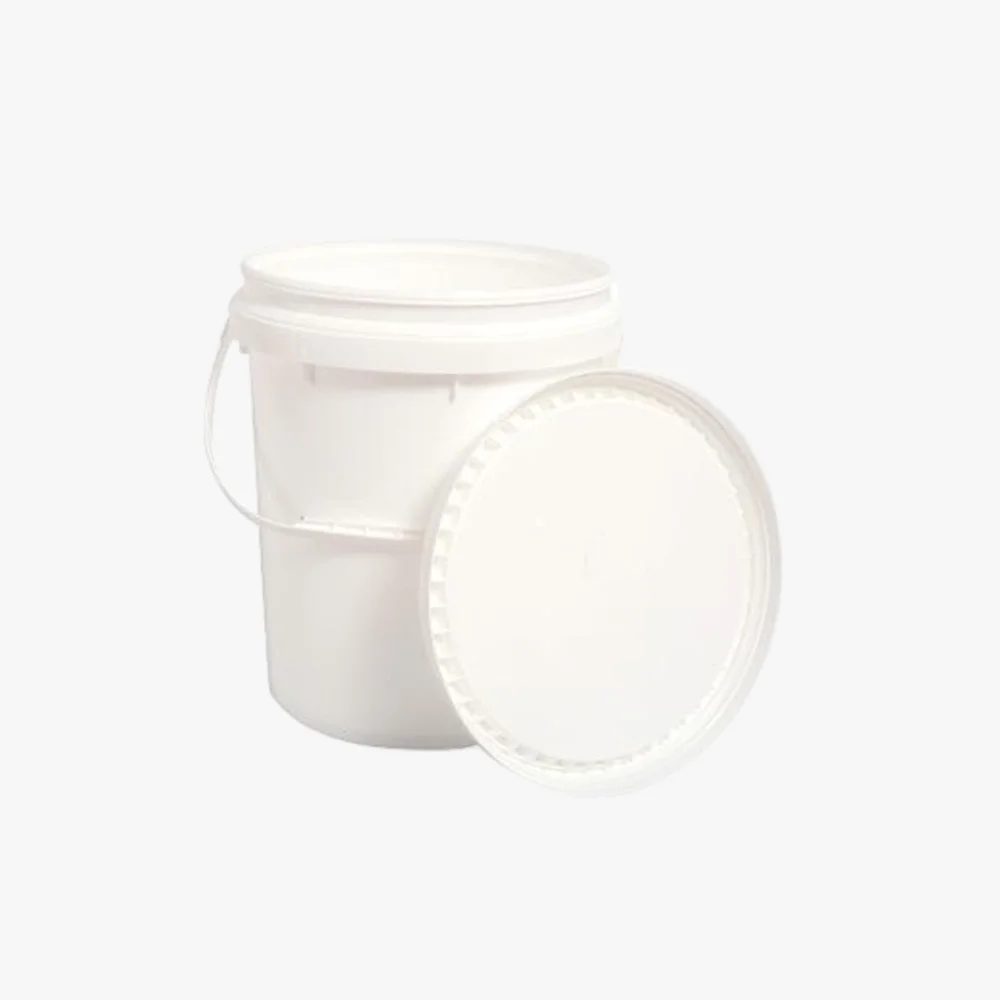
Common Uses of 18L Plastic Pails in Industrial and Home Storage
Plastic pails have become an essential packaging option across numerous industries thanks to their strength, lightweight construction, convenient handling, and versatile storage capabilities. Among the available capacities, the 18L plastic pail is a popular choice for businesses that need sufficient storage volume without sacrificing portability or operational convenience.
Whether used for paints, industrial coatings, lubricants, adhesives, food ingredients, chemicals, or general-purpose materials, an 18L pail offers a flexible packaging solution for different commercial and industrial requirements. Its practical dimensions make it suitable for factories, distribution centers, workshops, retail operations, and even residential storage.
However, selecting suitable plastic packaging involves more than deciding how much material a container can hold. Buyers also need to evaluate the plastic resin, structural design, wall strength, lid configuration, sealing capabilities, impact resistance, and manufacturing standards. Understanding these factors can help businesses identify a container that meets their actual application requirements.
Why Choose an 18L Plastic Pail for Storage and Packaging?
The popularity of 18L plastic pails comes largely from their ability to balance storage capacity with ease of use. Compared with larger industrial drums, they generally require less space and are easier to carry, reposition, stack, and access during everyday operations. Meanwhile, their capacity is sufficient for many commercial products that need to be packaged in medium-sized quantities.
In manufacturing and distribution, an 18L container is particularly useful for materials that are consumed over multiple applications. For example, companies producing paints, industrial adhesives, lubricants, and specialty coatings can package their products in this size, allowing customers to use the required amount while keeping the remaining contents stored in the original container.
Another advantage is packaging flexibility. Depending on the intended application, an 18L pail can incorporate different handle structures, lid configurations, and sealing mechanisms. These design options help improve storage efficiency and simplify product handling during transportation and distribution.
As a result, this container size provides practical benefits throughout the packaging supply chain, from factory filling and warehouse storage to transportation and final use.
Major Applications of 18L Plastic Pails Across Industries
1. Paint and Coating Packaging
Paint manufacturers need packaging that keeps formulations protected against external contamination while allowing users to open and access the contents conveniently.
An 18L plastic pail is suitable for various products, including architectural paints, industrial coatings, waterproofing compounds, primers, and protective finishes. The container should have sufficient structural rigidity to withstand routine transportation and handling, while its lid needs to fit properly to help prevent leakage and unwanted contamination.
Plastic pails also offer considerable opportunities for product identification and brand presentation. Their exterior surfaces can accommodate company logos, product descriptions, color information, usage instructions, and manufacturing batch details through suitable printing processes.
This makes them a practical choice for both product protection and commercial packaging.
2. Industrial Lubricants and Oils
Lubricating oils and industrial greases require packaging that can maintain product quality while withstanding the physical demands of storage, transportation, and workplace use.
An 18L plastic pail can accommodate different lubricant formulations, maintenance materials, industrial oils, and grease products. For these applications, impact resistance and overall container strength are important because pails may be frequently moved, stacked, or handled in demanding industrial environments.
The handle and lid should also be designed with practical operation in mind. Workers may need to transport containers between equipment areas or open them repeatedly during maintenance tasks. A suitable structure can make these activities easier while helping maintain packaging reliability.
3. Adhesives and Sealant Products
Different adhesive formulations vary significantly in viscosity, chemical composition, and storage requirements. Therefore, selecting appropriate packaging requires careful consideration of the characteristics of the material being stored.
An 18L plastic pail can be used for construction adhesives, industrial bonding compounds, and other bulk adhesive products. Its rigid structure helps support the contents during storage and transportation, while a properly fitted lid helps protect the formulation from external exposure.
Material compatibility is especially important in this sector. Manufacturers should evaluate whether the selected plastic resin can safely maintain contact with the specific adhesive formulation over the expected storage period. Packaging decisions should be based on actual product characteristics rather than container capacity alone.
4. Printing Inks and Chemical Formulations
Printing inks, specialty chemicals, and other industrial formulations often require packaging with dependable mechanical strength and appropriate sealing performance.
The packaging design should reflect the physical and chemical properties of the contents. Important considerations include chemical resistance, storage temperature, transportation conditions, opening frequency, and the possibility of interaction between the product and the container material.
For regulated substances, additional packaging standards may apply. Certain specially designed plastic pails can obtain relevant UN certification for transporting specific categories of dangerous goods, including solid dangerous substances. Buyers should confirm the applicable certification, packaging specifications, and transportation regulations before selecting a container.
Choosing packaging that matches the product's regulatory classification is essential for safe and compliant distribution.
5. Food Ingredients and Related Products
Plastic pails also play an important role in food processing and commercial food storage. They can be used for food ingredients, additives, bulk food materials, and other products requiring suitable food-contact packaging.
An 18L pail provides a convenient capacity for food manufacturers, ingredient distributors, catering businesses, and commercial kitchens that need to store or distribute materials in manageable quantities.
For these applications, buyers should pay particular attention to food-contact material suitability, manufacturing hygiene, production controls, and lid sealing performance. The selected resin and finished container should comply with the relevant food-contact regulations for the intended market and application.
Everyday Uses of 18L Plastic Pails Beyond Industrial Packaging
Although industrial packaging represents a major application area, 18L plastic pails are also useful for organizing and storing everyday materials.
Their combination of capacity, durability, and convenient handling makes them suitable for garages, homes, gardens, small businesses, and personal workshops.
Common storage applications include:
-
Household cleaning products and maintenance supplies
-
Gardening materials and related accessories
-
Dry goods and general household supplies
-
Small tools, hardware, and workshop components
-
DIY materials and renovation supplies
-
Pet care products and accessories
-
Workshop consumables and maintenance materials
-
Seasonal household items
Using a medium-capacity pail can help reduce clutter by keeping compatible materials together in one organized container. Its stackable design can also make better use of available storage space.
Nevertheless, users should always consider the compatibility of the stored materials. Chemicals or substances that may react with one another should not be combined in the same container, and the pail must be suitable for its intended storage conditions.
Key Factors That Determine the Quality of an 18L Plastic Pail
A reliable plastic pail requires more than an appropriate volume. Its material, construction, manufacturing process, and accessories all contribute to its overall performance.
1. Plastic Material Selection
The resin used in production has a direct influence on the container's mechanical properties and service performance. Depending on the application, manufacturers should consider toughness, rigidity, impact resistance, and chemical compatibility.
Selecting an appropriate plastic material helps ensure that the pail can withstand the conditions it will encounter during filling, storage, transportation, and use.
2. Mold Structure and Product Design
Mold development is another important factor in plastic pail manufacturing. The mold determines the container's dimensions, wall distribution, structural geometry, stacking characteristics, and compatibility with the lid.
A properly engineered mold helps maintain dimensional accuracy and consistent product quality during large-scale production. It also supports the development of containers with improved strength and practical usability.
3. Injection Molding Capabilities
The performance of injection molding equipment and production parameters directly affects the finished product.
Different container dimensions and structural designs require appropriate machine capacities and carefully controlled processing conditions. Stable production helps manufacturers maintain consistent wall thickness, product dimensions, surface quality, and overall structural performance.
4. Lid Design and Sealing Performance
The lid is just as important as the pail body. Even a strong container may fail to provide adequate protection if the lid does not fit correctly.
Depending on the product, buyers may require easy-opening structures, secure closures, tamper-evident features, or enhanced sealing capabilities. The appropriate configuration should be determined by the product's storage requirements and the user's operating habits.
DukeV: A Plastic Pail Manufacturer Focused on Practical Packaging Solutions
DukeV specializes in the development and production of plastic pails for a variety of industrial and commercial applications. Its product range covers capacities from 100 ml to 50 liters, providing packaging options for businesses with different volume requirements.
Established in January 2022, DukeV is located in Changzhou, Jiangsu Province, China. The company operates 15 injection molding machines with capacities ranging from 80 to 780 tons, together with two ultrasonic welding machines and one automotive heat-transfer printing machine. Its annual production capacity reaches approximately 8,500 tons.
For customers seeking medium-capacity packaging, DukeV offers a dedicated 18L plastic pail. This product is developed to address common requirements such as structural durability, convenient handling, and dependable closure performance.
Rather than focusing exclusively on the molding stage, DukeV considers the entire manufacturing process, including raw material sourcing, mold engineering, equipment selection, production management, quality inspection, delivery arrangements, and after-sales support.
This integrated approach is valuable for B2B buyers because packaging specifications can differ considerably between industries. For example, containers intended for paint, food ingredients, lubricants, hardware products, and regulated materials may require different materials, structural configurations, and performance characteristics.
By considering these differences during product development, manufacturers can provide packaging options that better match individual customer requirements.
Maintaining Product Quality Throughout the Manufacturing Process
For businesses purchasing plastic packaging in bulk, product consistency is just as important as initial performance. Variations in container dimensions, wall thickness, or lid compatibility can cause difficulties during automated filling, warehouse stacking, transportation, and end-user operations.
To address these challenges, DukeV has established quality management procedures covering incoming raw materials, production operations, finished-product inspection, shipment management, logistics, and after-sales service.
The company obtained ISO9001, ISO14001, and ISO45001 certifications in June 2022. These management systems provide a structured foundation for product quality management, environmental responsibility, and occupational health and safety.
Mechanical durability is another consideration in plastic pail production. During actual use, containers may experience impacts, repeated movement, stacking pressure, long-distance transportation, and changes in surrounding environmental conditions.
For this reason, packaging performance should be evaluated across the entire product lifecycle. Consistent manufacturing standards and appropriate quality inspections help reduce potential problems and improve the reliability of finished containers.
Sustainable Development in Modern Plastic Packaging
As environmental considerations become increasingly important in the packaging industry, manufacturers are paying greater attention to how plastic products are designed and produced.
Sustainable packaging development does not necessarily mean compromising product functionality. Instead, it involves identifying opportunities to improve material utilization, optimize container structures, reduce unnecessary components, and extend the useful life of packaging products where appropriate.
For plastic pail manufacturers, these improvements can begin with mold optimization, efficient production processes, suitable material selection, and continuous product development.
DukeV is committed to supporting the sustainable development of the plastics industry through ongoing improvements in material applications, mold engineering, manufacturing technology, and packaging design.
By combining functional performance with more efficient manufacturing practices, the company aims to contribute to the development of practical and environmentally conscious plastic packaging solutions.
How to Select an Appropriate 18L Plastic Pail
Before placing an order for 18L plastic pails, buyers should clearly define their product requirements and intended usage conditions. Several questions can help guide the selection process.
1. What type of product will the pail contain?
The physical and chemical characteristics of the contents should be evaluated first. Material compatibility is particularly important for chemicals, adhesives, lubricants, and food-related products.
2. Will the pail need to withstand transportation and repeated handling?
If containers will be transported over long distances or frequently moved between work areas, buyers should pay attention to impact resistance, structural strength, lid security, and stacking performance.
3. How often will the container be opened and closed?
Products used gradually may require convenient opening and reliable resealing. The lid configuration should match the actual operating requirements.
4. Are there any specific certification requirements?
Food-contact applications and dangerous goods transportation may involve additional regulatory standards. Buyers should identify the relevant requirements before confirming packaging specifications.
5. Does the packaging need customized printing?
For branded products, the available printing area, surface characteristics, logo presentation, and product labeling requirements should be discussed during the design stage.
6. What storage and environmental conditions will the pail encounter?
Temperature variations, humidity, sunlight exposure, and handling conditions may influence the choice of material and container structure.
Considering these factors in advance helps businesses avoid selecting packaging based solely on volume and ensures that the finished pail is more suitable for its intended application.
Conclusion
The 18L plastic pail is a flexible packaging option that meets a wide range of industrial, commercial, and everyday storage needs. With a practical balance of capacity, portability, structural strength, and adaptable design, it can be used for paints, coatings, lubricants, adhesives, printing inks, food ingredients, chemicals, hardware, and many other materials.
For B2B purchasers, choosing the right container involves evaluating much more than its nominal capacity. Plastic resin selection, structural engineering, lid configuration, sealing performance, manufacturing consistency, and applicable certifications all contribute to the suitability of the final product.
DukeV combines raw material selection, mold development, injection molding, ultrasonic welding, printing technology, quality management, and packaging development to serve customers across different application sectors. Its continued focus on manufacturing improvements and environmentally conscious product development also supports the evolving needs of the plastic packaging market.
As industrial and commercial packaging requirements become more diverse, a well-engineered 18L plastic pail remains a practical choice for businesses looking for dependable, versatile, and application-oriented storage solutions.
www.dkvplastic.com
Changzhou DukeV Plastics Co., Ltd
About Author
